Connect with us

Career

Best Online Coding Courses

Published

on

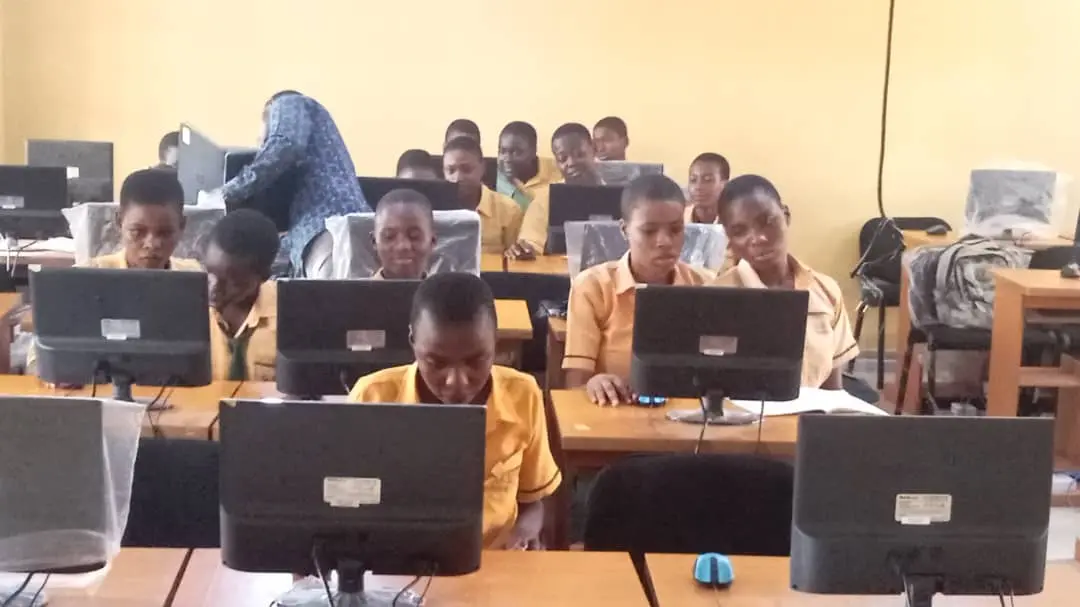
          Nowadays in this fast-paced world coding expertise has become vital for almost every industry. Whether you’re an aspiring entrepreneur, a professional developer looking to broaden your horizons or a student eager to learn computer programming fundamentals; online coding courses can help you meet your goals. However, with so many options available nowadays it can be challenging to pick the best one for yourself. No worries at all! We have covered this up for you by compiling a list of the best online coding courses available today that can help you start your coding journey on the right path. In this article we will go through some of the most popular and highly regarded online coding courses from basic to advanced levels. We’ve got you fully covered! So, whether you are an amateur or a seasoned pro dig out more within to discover the best online coding courses that can take your skills up one notch. What’s The Need to Learn to Code? Coding implies generating instructions that computers can perform. This is an essential skill for various reasons. Firstly, mastering code is in high demand since most businesses are turning towards digitalization – consequently; proficient coders’ demand has increased enormously over time. Secondly acquiring knowledge of code endows empowerment as by knowing technical aspects; individuals can bring their ideas into thriving reality – whether that be building their website/application/game- they hold full autonomy over their creation possibilities. Lastly but not least having coding expertise on your resume elevates it by setting it apart from others because even if one isn’t pursuing any career in IT field- it’s always better to stand out amidst such tough competition. Different Types of Online Coding Courses   Numerous types of online coding courses offer unique benefits and drawbacks depending upon individual preference/needs/expectations are obtainable today; three most prevalent are listed below:  

Video Based Courses

Most famous among types of learning sources – video based courses consist of prerecorded video lessons accessible at one’s own pace. These courses also provide quizzes, assignments, and projects to aid in practicing what’s learned throughout the course content. If you’re a visual learner who prefers seeing concepts demonstrated in real time, video-based courses are a great option for you. However, if you’re more interested in interactive learning with hands on activities then interactive courses are the way to go. These types of courses provide coding challenges that allow learners to practice writing code in a simulated environment making them perfect for those seeking a more active approach.  

Text Based Courses

May not be as common as video or interactive ones, but they can still be incredibly effective in teaching coding. These courses feature written lessons and exercises, which learners can work through at their own pace. They are perfect for those who like to read and take notes while they learn. Taking an online coding course has numerous benefits such as flexibility and affordability. Since many online courses are self-paced individuals can easily learn on their own schedule and at their own pace without fear of falling behind schedule. Additionally virtual courses tend to be less expensive than traditional classroom-based ones because there’s no need to rent out physical spaces or pay for utilities. Since online coding classes often employ expert instructors within their field of expertise these classes provide learners with the chance to gain valuable insights and feedback that can genuinely help further one’s knowledge base. Furthermore, virtual offerings typically cover various topics within computer science- from beginner level content like basic programming principles- right up the complexity scale to sophisticated subjects such as machine learning or artificial intelligence. When selecting an online coding course that is right for your needs consider components such as course substance: does it adequately cover the principles that you desire? Comprehensiveness should rank topmost on the list while researching various online coding programs before getting started on any. You can find credible courses by relying upon sites featuring exhaustive expert reviews from past students/colleagues among others to locate suitable instructors as well who teach quality material compatible with your goals. Individual learning styles could vary significantly, impacting on whether you will benefit optimally from an interactive course or a video-based lesson. Understanding which suits both your taste and learning path would significantly contribute to making the most of such training sessions. Online coding courses, just like in the traditional setting, usually last for several weeks/months but some come with fast-track options for quicker completion. Be sure to consider which timespan works best for you among other multiple academic requirements while picking one. There are many resources out there if quality programming education is what you’re after, such as Codecademy, Udemy, Coursera edX and FreeCodeCamp where practical-skills-focused training abounds. Thus, it would be wise to weigh in on all the attributes presented by each before making a commitment as ultimately a great foundation will get put down upon relevant info acquisition. As technology continues to advance at an unprecedented speed worldwide so does the demand of programmers around us. Today online Coding Courses has been a highly sought-after area of expertise learners are looking forward to delving into. While choosing an ideal course from among various options available can be quite a task; Comparing prices, Course Format, Course Duration , Instructor Quality etc. among one another will help you find out what suits you best with respect to your Goals . While considering User Reviews as well as ratings; There are three key factors one must bear in mind while reading reviews. Firstly, Consistency among Independent Review platforms Press Reports showcasing positive vibes indicate trustworthiness, whereas anonymous Sources might not be reflective of accurate opinions. Secondly One must look out for Specific words used in Reviews providing solid Information about Course Content, Instructor Quality as well as Format rather than just reading “good” or “terrible”. Finally, Success can be achieved thoroughly by laying out Specific Goals, Organizing Progress, and assignments in a timely manner & most of all by practicing on a regular basis. Embarking on an online coding course is a wise investment in one’s prospects. Not only do these programs provide rewarding personal growth opportunities but they could also enhance one’s professional status. By actively engaging all resources offered – including practice exercises and project work – students maximize their potential learning outcomes. And should difficulties arise understanding certain subjects, leaning on others is encouraged as instructors and peers alike will no doubt be willing to share their experiences which result in deeper understanding of concepts overall. Increasingly, employers are looking for certified employees with skill sets – already possessing such credentials may give those who’ve completed an online coding course seeking new employment or advances current standing within their workplace added advantages over competitors without varying qualifications.

CONCLUSION

As digital transformation occurs across numerous sectors simultaneously today – getting familiar with abstractions such as data analytics or programming creates practical tangibility when working through initiatives advance ones problem-solving skill set overall. Begin your search for the perfect course today – ultimately achieving newfound opportunities by educating oneself to code!


Discover more from Daily Media NG

Subscribe to get the latest posts sent to your email.

Click to comment

Leave a Reply

Your email address will not be published. Required fields are marked *

Business

Akara Won’t Build Nigeria’s Future

Published

on

Akara Won't Build Nigeria's Future

Akara Won’t Build Nigeria’s Future

In late June 2026, First Lady Remi Tinubu sparked intense debate by stating that starting an akara-frying business, roasting corn, or selling kuli-kuli “doesn’t take a lot of money.” She framed it within her Renewed Hope Initiative’s small grants program (reportedly ₦50,000–₦70,000), positioning these micro-enterprises as practical paths to hope and self-reliance amid economic hardship.

Defenders quickly rallied online: “It’s honest work,” “Better than idleness,” “Many successful people started from roadside trading,” “She is just being realistic.” These arguments contain grains of truth—Nigeria’s informal sector employs the vast majority of the workforce (estimates range 60–90% depending on the source) and has long served as a safety net. Any dignified labor deserves respect.

But the defense misses the larger point. In 2026, promoting roadside akara stands and corn roasting as a flagship solution or aspirational model for Nigerian youths is not empowering realism. It is backward thinking that risks locking a generation into low-productivity survival mode while the rest of the world races ahead in digital skills, STEM, and artificial intelligence.

 The Hard Limits of “Little Money” Micro-Businesses

Let’s be clear-eyed. Starting to fry akara or roast corn requires relatively low upfront capital compared to opening a factory or tech startup. A few thousand naira for beans, oil, charcoal or gas, basic equipment, and a spot by the roadside can get you going. Grants help some women cover that initial hurdle.

Yet this model faces brutal realities in today’s Nigeria:

– High and volatile input costs amid ~15.9% inflation (May 2026). Food prices, especially staples like beans and corn, fluctuate wildly. Energy costs for frying remain punishing due to unreliable grid power.

– Thin margins and fierce competition. Everyone with “little money” can do the same thing. Saturated markets mean price wars, long hours, and vulnerability to weather, vendor harassment, or sudden policy changes (e.g., market clearances).

– Limited scalability and wealth creation. These businesses rarely generate significant surplus for reinvestment, formalization, or generational wealth. They often perpetuate underemployment rather than solve it.

– Opportunity cost. Time spent perfecting akara frying is time not spent learning high-leverage skills that multiply earnings exponentially.

Success stories exist—some vendors educate children or build houses through sheer grit. But policy cannot be built on anecdotes and survivorship bias. Most people in these trades remain in precarious, low-income cycles. Celebrating the informal sector’s size as a virtue ignores that it largely reflects the failure to create enough high-productivity formal jobs.

 The World in 2026 Demands Different Skills

We are no longer in an era where manual, low-skill, localized trading represents the ceiling of realistic ambition for a nation with Nigeria’s demographic profile—one of the world’s youngest and fastest-growing populations.

– Digital skills and AI are the new basic literacy. Coding, data analysis, digital marketing, prompt engineering, AI tool usage, cybersecurity, and e-commerce are accessible, high-demand, and borderless. A skilled Nigerian youth can build apps, offer freelance services globally via platforms, or work remotely for companies paying in dollars—without needing physical roadside space or battling local inflation on every ingredient.

– STEM drives real transformation. Agritech startups are using drones, sensors, and AI for precision farming—boosting yields of corn and beans while reducing waste. Food processing can move beyond open-fire frying to hygienic, scalable, packaged products with export potential and branding. Renewable energy, biotech, software development, and engineering create jobs that actually scale and attract investment.

– Nigeria already shows what is possible. The fintech boom (Paystack, Flutterwave, and others) proved young Nigerians can build world-class digital companies. Tech hubs in Lagos and beyond, remote work success stories, and diaspora talent demonstrate capacity. The question is whether policy and cultural messaging amplify this or default to the lowest-common-denominator hustle.

An akara seller competes locally with razor-thin margins. A developer or AI-fluent entrepreneur can create value that serves thousands or millions and captures global income. One path sustains survival; the other builds prosperity and sovereignty in a knowledge economy.

 Addressing the Defenses Directly

“It gives immediate hope and is better than nothing.”  

Short-term palliatives have a role during crisis. But leadership’s vision should not stop at survival grants for saturated micro-trades. Hope that endures comes from equipping people with skills that match the economy of 2030 and beyond—not preparing them for 1980s-style street vending in an AI age.

“Many people succeeded from akara and similar businesses.”  

Individual grit is admirable. Systemic progress requires scalable pathways. Most street vendors do not become millionaires or employ dozens. Countries that industrialized or digitized did so by moving labor up the value chain, not by romanticizing the bottom rung.

“Not everyone can or wants to be a tech bro.” 

True. Societies need diversity of work—farmers, artisans, service providers, and yes, food vendors. But that does not mean defaulting national ambition to the easiest entry barrier activity. Modern vocational training can blend traditional trades with digital tools (e.g., WhatsApp/Instagram marketing for food sellers, inventory apps, delivery platforms, or agritech for producers). Everyone benefits from baseline digital literacy and critical thinking.

“Dignity in all honest work.”  

Absolutely. No work is beneath anyone. The issue is aspiration and human capital development. A nation that tells its educated or educable youth that frying akara is the realistic horizon subtly signals low expectations. Nigerian youths deserve—and the country needs—higher standards.

 What Forward-Looking Leadership Should Champion

Instead of (or alongside) micro-grants for akara stands, prioritize:

– Education reform integrating coding, AI basics, data literacy, and digital entrepreneurship from secondary school onward. Strengthen STEM pipelines and technical/vocational education in high-value areas (renewables, precision agriculture, software, advanced manufacturing).

– Support for scalable entrepreneurship—larger funding, incubators, and mentorship focused on tech, agritech, green energy, and digital services. Make it easier to formalize and grow beyond one-person operations.

– Infrastructure that multiplies productivity: Reliable power (foundational for both digital work and modern food businesses), broadband, and skills training centers.

– Hybrid empowerment: Teach traditional micro-entrepreneurs digital tools so they can market smarter, manage better, access finance via fintech, and potentially scale or pivot.

– Cultural and policy signaling: Celebrate Nigerian tech founders, innovators, and global remote workers as loudly as (or louder than) survival stories. Position Nigeria as a serious player in Africa’s digital and innovation future.

 The Choice Before Us

Nigeria stands at a fork. One road doubles down on low-productivity informal activities as the default solution—perpetuating cycles of hardship even as grants provide momentary relief. The other invests aggressively in human capital for a digital, AI-augmented, STEM-powered economy—unlocking the demographic dividend, reducing brain drain, creating high-value jobs, and building resilience against global shifts.

Remi Tinubu’s comments reflect a common instinct: meet people where they are with practical, low-barrier ideas. That instinct has value in immediate relief. But when elevated as a prominent message from high office, it risks normalizing low aspiration at precisely the moment Nigeria needs bold, future-oriented thinking.

The era of relying on roadside akara economics as a national strategy is over. The future belongs to those who code, innovate, process intelligently, build platforms, and harness technology. Nigeria’s young people are capable of far more than frying bean cakes with “little money.” They—and the country—deserve leadership and policies that match that potential.

Let’s raise the bar. The world isn’t waiting.


Discover more from Daily Media NG

Subscribe to get the latest posts sent to your email.

Continue Reading

Career

Why Every Nigerian Secondary School Student Should Learn to Code: The Complete Parent Guide

Published

on

Why Every Nigerian Secondary School Student Should Learn to Code: The Complete Parent Guide

Why Every Nigerian Secondary School Student Should Learn to Code: The Complete Parent Guide

Everything Nigerian parents need to know about coding education — what it is, why it matters, what it isn’t, and how to get your child started today.

By Mode Digital Creations | Codersclub Programme | 2026

Before We Begin: This Guide Is Not What You Think

If you are a Nigerian parent and you picked up this guide expecting a pitch for a coding class, you are going to be surprised.

This guide is going to be honest with you — about what coding education can do for your child, what it cannot do, what the research actually says, and what questions you should ask before enrolling your child in any digital skills programme.

We built ModeCodersclub. We have a stake in you finding this useful. But we have a longer stake in Nigerian parents making genuinely informed decisions about their children’s education. Misinformed parents produce disengaged students. We don’t want that any more than you do.

So, let’s start with the question most guides like this one refuse to answer honestly.

“Is Coding Really That Important, or Is This Hype?”

It is a fair question, and it deserves a fair answer.

There is hype in the digital skills education space. There are organisations — in Nigeria and globally — who overstate coding’s universal applicability, promise outcomes they cannot deliver, and treat “learning to code” as a magic solution to complex educational and economic problems. Parents are right to be sceptical of extravagant claims.

Here is what the evidence actually supports:

What is well-evidenced:

Students who learn computational thinking — the systematic problem-solving approach that coding teaches — show measurable improvements in mathematical reasoning and logical analysis. A 2023 study across sub-Saharan African secondary schools found that students with structured coding exposure scored 18% higher on standardised problem-solving assessments than control groups.

Digital fluency — the ability to comfortably navigate, use, and create with digital tools — is increasingly correlated with employability and income across virtually every sector of the Nigerian economy. This is not projection; it is observable in current hiring patterns across Lagos, Abuja, and Port Harcourt.

Coding education, when delivered well, improves confidence and persistence in students — particularly girls — who are taught that complex systems are understandable and buildable. The psychological effect of completing a working project from scratch is well-documented in educational research.

What is not evidenced, or overstated:

That every child who learns to code will become a software engineer. Most won’t. Most shouldn’t. That is not the goal.

That coding alone will secure a child’s economic future. It won’t. It is one skill among many.

That all coding programmes are equal. They are not. Quality varies enormously — from world-class instructor-led programmes to useless certificate mills that teach nothing practical.

The honest summary: digital skills education, delivered well, has real and lasting benefits for Nigerian secondary school students. It is not a silver bullet. It is a meaningful investment that, like all investments, depends on quality of delivery and student engagement.

The Economy Your Child Will Actually Enter

To understand why coding matters, you need to understand the economy your child will enter between 2028 and 2040.

Nigeria’s digital economy was valued at approximately $11.6 billion in 2024. It is projected to grow to over $88 billion by 2030 — an increase driven by mobile internet expansion, fintech adoption, e-commerce growth, and the ongoing digitisation of government services, healthcare, and education.

This growth is real and it is generating jobs. But it is generating specific kinds of jobs — jobs that reward digital competence at every level, not just in the technology sector.

Consider what this means across sectors your child might enter:

Medicine and Healthcare: Nigeria is building a national electronic health records system. Telemedicine platforms are expanding into rural communities. AI diagnostic tools are entering teaching hospitals. The Nigerian doctor of 2035 who cannot navigate these systems will be at a disadvantage relative to the doctor who can — not just in efficiency, but in career advancement and specialisation.

Law: Legal technology is transforming Nigerian commercial law practice. Contract automation, legal research AI, document management systems — these are already present in Lagos corporate law firms and spreading rapidly. The lawyer who understands these tools will move faster, take more cases, and command higher fees.

Agriculture: Nigeria’s agritech sector is one of the fastest-growing on the continent. Precision agriculture, supply chain digitalisation, and mobile market platforms are restructuring how Nigerian farmers access markets and credit. The agricultural graduate with digital skills will access opportunities invisible to peers without them.

Finance and Accounting: Nigerian fintech is world-class. The accountant, auditor, or financial analyst who understands how financial technology works — not just how to use it, but how it is built and where it can fail — is operating with a significant competitive advantage.

Business and Entrepreneurship: Every Nigerian business of any significance will require a digital presence, digital marketing capabilities, and increasingly, digital products. The entrepreneur who can build basic digital tools, or who speaks the language of the developers they hire, makes better decisions and moves faster than one who cannot.

The pattern across all of these sectors is the same: digital skills are not replacing traditional subject knowledge. They are multiplying it. The subject expert with digital competence outperforms the subject expert without it, across virtually every field.

Your child is making educational choices now that will determine which side of that divide they fall on.

What “Learning to Code” Actually Means — And What Happens in a Good Programme

One reason Nigerian parents are sometimes sceptical of coding education is that the phrase “learning to code” is vague to the point of meaninglessness. Let’s make it concrete.

Coding is the process of writing instructions that a computer can execute. These instructions are written in programming languages — formal languages with specific syntax, like HTML, CSS, JavaScript, Python, and others.

A secondary school student learning to code in a well-designed programme will typically progress through three stages:

Stage One: Understanding the structure of the web (HTML)

HTML — HyperText Markup Language — is the skeleton of every webpage on the internet. Learning HTML means learning how to tell a browser what to display: headings, paragraphs, images, links, lists. It is genuinely learnable in days for a motivated student, and it immediately produces visible results — your child types something and something appears on a screen. This instant feedback is educationally powerful.

Stage Two: Making things look good (CSS)

CSS — Cascading Style Sheets — controls how HTML elements appear: colours, fonts, layouts, sizes. Learning CSS means learning design thinking as well as technical syntax. Students begin to understand the relationship between instruction and visual output, and they develop aesthetic judgment alongside technical skill.

Stage Three: Making things work (JavaScript)

JavaScript is the programming language of the internet. It makes webpages interactive: buttons that do things, forms that respond, content that changes. Learning even basic JavaScript introduces students to the core concepts of all programming: variables, conditions, loops, functions. These concepts, once understood, apply to every programming language a student might encounter later.

The output of a good programme: A student who completes all three stages has built a real, working website — not a simulation, not a mock-up, but a live URL that can be shared, visited, and used. This project is the first item in a portfolio that a student will carry into university applications, scholarship interviews, and eventually job interviews.

This is what happens in ModeCodersclub. Every term. Instructor-led. In real primary/secondary school classrooms. With real output.

The Five Things Coding Education Builds — Beyond the Code

When parents ask what their children will gain from ModeCodersclub, we give two answers: the technical skills (which we have described above), and the meta-skills — the habits of mind that coding builds regardless of what the student goes on to do with their life.

These meta-skills are, in our experience, more durable and more broadly valuable than the technical skills themselves.

1. Systematic problem-solving

Every coding project is, at its core, an exercise in breaking a complex problem into small, manageable steps. A website does not appear fully formed. It is built piece by piece, with each piece depending on the pieces before it. Students who practice this decomposition habit in coding transfer it — often unconsciously — to every other complex task they encounter. They become the kind of people who write a plan before they start, who identify dependencies before they act, who check their work before they submit.

2. Tolerance for error and iteration

In coding, errors are not failures. They are information. Every error message tells you something about what went wrong and points you toward the fix. Students who learn to code develop a different relationship with mistakes than students who are taught in systems where errors are marked and discarded. They learn to read errors, diagnose them, fix them, and try again. This iterative approach to difficulty is one of the most transferable life skills -education can build.

3. Attention to detail

A single missing semicolon can break an entire programme. A single misplaced character in HTML will corrupt the layout. Coding teaches students that precision matters — not as a form of perfectionism, but as a functional requirement. The student who learns this in a coding class brings it to exam answers, laboratory reports, legal arguments, and business proposals.

4. Creative confidence

There is a particular kind of confidence that comes from making something that works. It is different from academic confidence — from knowing the right answer — because it involves creating something that did not exist before. Students who build working projects develop a sense of themselves as makers, not just learners. This identity shift — from consumer to creator — is one of the most consistent outcomes we observe in ModeCodersclub students, and parents consistently report it as the most noticeable change in their children after the programme.

5. Digital fluency as a foundation

Beyond any specific skill, students who go through a coding programme develop a general comfort with digital environments — an ability to navigate new tools, troubleshoot unfamiliar software, and adapt to new digital contexts without anxiety. In a world where the specific tools will change many times over a career but the underlying digital landscape will only deepen, this fluency is foundational.

Addressing the Objections: What Nigerian Parents Most Commonly Ask

In our years of running ModeCodersclub across primary/secondary schools in the Niger Delta, we have heard every objection. Here are the most common, addressed honestly.

“My child needs to focus on WAEC and JAMB. There is no time.”

This is the objection we hear most frequently, and it deserves a direct answer.

ModeCodersclub is structured as a termly  programme that runs in parallel with, not instead of, academic study. Sessions are typically held once or thrice per week for two hours, designed to fit within or alongside the school timetable.

More importantly, the cognitive skills coding builds — systematic problem-solving, attention to detail, structured thinking — have a documented positive effect on mathematics and science performance. We are not asking you to choose between coding and JAMB. We are suggesting that the thinking skills coding develops will help with JAMB, not compete with it.

The parents who tell us “there is no time” are, in our experience, the parents of students who have four hours of screen time per day on entertainment. ModeCodersclub asks for two-Four hours per week. The time is available. The question is how it is allocated.

“We don’t have a computer at home. How can my child learn to code?”

ModeCodersclub is delivered in school classrooms, using the school’s existing infrastructure supplemented by our instructors’ equipment where necessary. Students do not need a personal computer to participate. They need to attend sessions.

Where possible, we encourage students to explore coding on their smartphones between sessions — mobile browsers can run basic HTML and CSS, and several free platforms (including Replit and CodePen, both mobile-accessible) allow code practice without a dedicated device.

The absence of a home computer is not a barrier to ModeCodersclub enrollment. It is, in fact, exactly the kind of access gap the programme was designed to work around.

“Is this programme certified? Will universities or employers recognise it?”

ModeCodersclub issues completion certificates that document the skills and projects completed during the programme. These certificates are increasingly recognised by Nigerian universities’ extracurricular and scholarship committees as evidence of digital skills development.

More practically: a student’s portfolio — the working website they build during the programme — is a more powerful credential than any certificate. University admission tutors and graduate employers who see a working web project built by a secondary school student understand what that represents, regardless of what institution certified it.

The credential that matters most is the skill itself, demonstrated through work. ModeCodersclub produces both.

“My child is a girl. Is coding for her?”

We want to be direct: ModeCodersclub specifically prioritises girls’ participation because the digital skills gender gap in Nigeria is real, consequential, and correctable.

Women represent approximately 33% of Nigeria’s tech workforce. They are underrepresented at every level of the digital economy. The most effective point of intervention is secondary school — before career paths and self-perceptions calcify.

In our experience, girls who complete ModeCodersclub show the most significant confidence shifts of any student cohort. The experience of building something that works, in a supported environment, with instructors who expect their full participation, produces a shift in self-perception that we observe consistently and that parents consistently report noticing at home.

We do not run a separate girls’ programme. We run a programme designed to be excellent for every student, including girls. The outcomes speak for themselves.

“How is ModeCodersclub different from just watching YouTube tutorials?”

YouTube tutorials are a valuable supplement to structured learning. They are not a substitute for it.

The key difference is accountability, feedback, and human support. A student watching a YouTube tutorial alone at home has no one to ask when they get stuck (and they will get stuck). They have no one to correct a misconception before it compounds. They have no deadline that creates the productive pressure of a real learning environment. They have no peers to compare notes with and no instructor to notice when they are falling behind.

ModeCodersclub provides all of these things. The instructor sees every student’s work. Questions are answered in real time. Students build alongside peers, which creates both accountability and community. The programme has a structure that carries students through the full arc from beginner to project completion — something self-directed online learning almost never achieves.

The completion rate for self-directed online coding courses globally is under 10%. The completion rate for ModeCodersclub is not 10%. It is not because our students are exceptional. It is because structure and human accountability work.

How to Choose a Coding Programme for Your Child: What to Ask

If you are considering any coding education programme — including ModeCodersclub — here are the questions you should ask before making a decision.

1. What is the output? A good coding programme produces something tangible — a working website, an app, a project. If the programme cannot show you examples of what students have built, be cautious.

2. Who are the instructors? Understand who is actually teaching your child. What is their background? Are they Nigerian and contextually aware? Are they full-time educators or side-hustle freelancers? How are they vetted and supervised?

3. How is the programme delivered? Classroom-based, instructor-led programmes consistently outperform online-only alternatives for secondary school students. The social and accountability dimensions of in-person learning matter enormously at this age.

4. What is the student-to-instructor ratio? Ratios above 15:1 make meaningful feedback difficult. Ask specifically.

5. Can you speak to parents of alumni? Any reputable programme should be able to connect you with parents of students who have previously completed it. If they cannot or will not, that is informative.

6. What happens after the programme ends? The best programmes have alumni communities, continued learning pathways, and mechanisms for students to continue developing after the structured programme concludes. Ask what the follow-on looks like.

For ModeCodersclub specifically: we encourage you to ask all of these questions. We will answer every one of them.

A Note to Parents Who Are Themselves Unfamiliar with Technology

We want to address something that often goes unsaid.

Some Nigerian parents are hesitant about coding education not because they doubt its value, but because they feel unable to evaluate it. If you have never written a line of code and do not use technology professionally, how can you judge whether a coding programme is good?

This is a legitimate concern, and we want to name it without condescension.

The answer is: you don’t need to evaluate the technical content. You need to evaluate the indicators of quality that apply to any educational programme:

Are the instructors present, prepared, and engaged with individual students? Does your child come home from sessions having made something, however small? Does your child want to go back? Are the programme administrators accessible when you have questions? Does the programme communicate clearly about what students are learning and what it will produce?

These are the questions parents have always asked about education. They apply to coding programmes exactly as they apply to lesson teachers and tutorial centres.

Your child does not need you to understand code. They need you to ask the right questions about the programme delivering it. You are already equipped to do that.

Getting Started: Your Next Steps

If you have read this far, you are a parent who takes your child’s education seriously. Here is what we suggest you do next.

Step 1: Have a conversation with your child. Before enrolling them in anything, find out whether they are curious. Show them something simple — a webpage, an app they use — and ask them if they have ever wondered how it was built. Curiosity is the only prerequisite for ModeCodersclub. If it is present, the programme will work. If it needs to be cultivated, start there.

Step 2: Talk to their school. Ask whether the school has a relationship with any digital skills provider. Ask what ICT education currently looks like in the curriculum. If the school is not currently offering coding education, ask whether they would be interested in a partner programme. Mode Digital’s school partnership process begins with a single conversation.

Step 3: Reach out to Codersclub directly. DM us on X (@modecbt), send us a message on info@modedigitalcreations.ng, or contact us through modecbt.com. Tell us your child’s school and their current year. We will tell you whether we are already in that school, when the next programme begins, and what enrollment involves.

Step 4: Ask us the hard questions. Use the list from the previous section. We want parents who ask difficult questions because those are the parents whose children are most engaged and who hold us to the highest standard. That accountability makes the programme better.

The Last Thing We Want to Say

We are a technology company from the Niger Delta. We built ModeCodersclub because we watched talented young people from our region consistently underrepresented in Nigeria’s digital economy — not because they lacked ability, but because they lacked access to the early digital experiences that shape technical confidence and career trajectory.

We believe every Nigerian primary/secondary school student — in Port Harcourt, in Yenagoa, in Warri, in Ughelli, in Asaba, and every community between — deserves the same access to digital skills education that students in the most resource-rich schools in Lagos and Abuja receive as standard.

We are not building ModeCodersclub as a charity. We are building it as a sustainable programme that delivers real value to students, families, and schools — and that, by doing so, builds the digital talent pipeline that the Niger Delta and Nigeria need.

Your child is part of that future.

Whether they enrol in ModeCodersclub or another quality programme, whether they become a software engineer or a medical doctor, whether they build websites as a career or simply understand how the world they live in works — the investment in digital literacy you make for them today will compound for decades.

We would be honoured to be part of that investment.

ModeCodersclub is Mode Digital Creations Limited’s digital skills coding programme for primary/secondary school students across the Niger Delta. Sessions are instructor-led, classroom-based, and structured termly to take students from zero coding experience to a published working website.

To enrol your child or bring ModeCodersclub to your school, contact us at:08065180018  DM @modecbt on X or Instagram website: www.modecodersclub.com.ng. contact email: info@modedigitalcreations.ng

Mode Digital also built MODECBT (modecbt.com) — Nigeria’s AI-powered JAMB CBT practice platform — and offers web hosting services for Nigerian businesses.

 #Codersclub #NigerianParents #LearnToCode #NigerDelta #DigitalSkills #NigerianYouth #SecondarySchool #CodingForKids #NigeriaEdTech #ModeDigital #TechEducationNigeria



Discover more from Daily Media NG

Subscribe to get the latest posts sent to your email.

Continue Reading

Career

How to Build a Personal Brand as a Nigerian Professional Abroad

Published

on

How to Build a Personal Brand as a Nigerian Professional Abroad

How to Build a Personal Brand as a Nigerian Professional Abroad

Hey there, fellow Nigerian hustler! If you are reading this, chances are you have swapped the bustling streets of Lagos or Abuja for the fast-paced life in London, New York, or Toronto. Maybe you are an engineer, a marketer, or a finance whiz making waves in a foreign land. But here is the thing: in today’s global job market, your skills alone might not cut it. You need a personal brand that screams “I’m the go-to expert” – one that blends your Nigerian roots with international flair. 

Building a personal brand isn’t just about LinkedIn profiles or fancy business cards; it’s about crafting a story that resonates, opens doors, and turns opportunities into realities.

As someone who has navigated this path myself (shoutout to my days grinding in the UK after leaving Naija), I know the unique challenges and advantages we face. From dealing with cultural biases to leveraging our resilience and creativity, there is a lot to unpack. In this post, we will dive deep into practical steps to build your personal brand. Whether you are just starting out or looking to level up, these tips will help you stand out. Let’s get into it.

Why Personal Branding Matters for Nigerian Professionals Abroad

First off, let’s talk about why this even matters. In Nigeria, we often rely on connections – that “who you know” vibe. Abroad, it’s similar, but amplified by digital tools and global networks. A strong personal brand positions you as an authority in your field, making it easier to land jobs, attract clients, or even start side hustles.

Think about it: according to a recent survey by LinkedIn, 70% of professionals get hired at companies where they have a connection. For Nigerians abroad, who might face stereotypes like being seen as “overqualified but under-experienced,” a personal brand counters that narrative. It showcases your unique value – that blend of Nigerian grit, adaptability, and innovation. Plus, in a post-pandemic world, remote work has blurred borders, meaning your brand can reach audiences back home and worldwide.

But building it isn’t overnight magic. It requires strategy, consistency, and a dash of authenticity. Ready? Here is how to do it step by step.

Step 1: Define Your Unique Value Proposition (UVP)

Every great brand starts with self-reflection. What makes you, as a Nigerian professional, stand out? Your UVP is the core of your personal brand – it’s what differentiates you from the sea of resumes.

Start by listing your strengths. Are you a software developer who has coded solutions for Nigerian fintech startups? Or a healthcare pro who’s bridged gaps in diaspora communities? Lean into your cultural heritage. Nigerians are known for our entrepreneurial spirit – think of how folks back home turn challenges into businesses. Abroad, that translates to resilience in high-pressure environments.

For example, I once mentored a Nigerian accountant in Canada who repositioned himself as an “Africa-focused financial strategist.” He highlighted his experience with volatile markets in Nigeria, which made him invaluable for firms investing in emerging economies. To craft your UVP:

  • Audit your skills and experiences: Jot down professional achievements, volunteer work, and even hobbies. Tools like SWOT analysis (Strengths, Weaknesses, Opportunities, Threats) can help.
  • Identify your niche: Don’t be a generalist. Specialize – e.g., “Nigerian tech marketer specializing in multicultural campaigns.”
  • Incorporate your story: Share how growing up in Nigeria shaped you. Stories of overcoming power outages (hello, NEPA!) or navigating complex family dynamics build relatability.

Remember, authenticity is key. Faking it will backfire – people can spot inauthenticity from a mile away.

Step 2: Build a Strong Online Presence

In the digital age, your online footprint is your billboard. For Nigerians abroad, platforms like LinkedIn, Twitter (now X), and Instagram are goldmines. But don’t just post randomly; curate content that aligns with your UVP.

Optimize Your LinkedIn Profile: This is your professional hub. Use a professional photo (ditch the selfies), a compelling headline (e.g., “Nigerian Data Analyst | Bridging African Insights with Global Tech”), and a summary that tells your story. Include keywords like “Nigerian professional,” “diaspora expert,” or “cross-cultural leadership” to boost SEO and visibility in searches.

Add endorsements, recommendations, and showcase projects. If you have worked on something back home, like consulting for a Lagos-based startup, highlight it. LinkedIn’s algorithm favors active users, so post regularly – articles, polls, or comments on industry news.

Leverage Social Media: On X or Instagram, share bite-sized insights. Post about “Lessons from Naija: How Street Smarts Translate to Corporate Success” or visuals of Nigerian festivals abroad to humanize your brand. Use hashtags like #NigerianAbroad, #PersonalBranding, or #DiasporaSuccess to increase reach.

Create a Personal Website or Blog: Tools like WordPress make this easy. Host your portfolio, write blogs on topics like “Navigating Visa Challenges as a Nigerian Expat,” and optimize for SEO with keywords. Aim for long-form content like this post – Google loves detailed, valuable articles.

Pro tip: Consistency wins. Post weekly, engage with comments, and track analytics to see what resonates.

Step 3: Network Like a Pro – The Nigerian Way

Networking abroad can feel intimidating, especially if you are introverted or dealing with cultural differences. But Nigerians? We are natural connectors – think of our extended family networks!

Attend Events and Join Communities: Look for diaspora groups like Nigerians in Diaspora Organization (NIDO) or professional meetups on Eventbrite. In cities like Houston or Atlanta, Nigerian associations host events where you can mingle.

Virtual networking is huge too. Join LinkedIn groups for Nigerian professionals or industry-specific ones. I remember attending a virtual webinar on African tech, where I connected with a recruiter who later hooked me up with a gig.

Build Relationships Authentically: Don’t just collect cards; follow up with personalized messages. Share a Nigerian proverb or reference a shared experience to break the ice. Offer value first – maybe introduce them to Nigerian cuisine or share an article on African markets.

Mentorship Matters: Seek mentors who understand your background. Platforms like MentorCruise or even reaching out to successful Nigerians like Aliko Dangote’s proteges can inspire. Conversely, mentor others – it boosts your brand as a giver.

Over time, these connections turn into endorsements, collaborations, and opportunities.

Step 4: Create and Share Valuable Content

Content is king in personal branding. As a Nigerian abroad, you have a unique perspective – use it to educate, inspire, and entertain.

Start a Podcast or YouTube Channel: Topics like “Thriving as a Nigerian in Silicon Valley” or “Balancing Jollof Rice with Boardroom Deals” can go viral. Keep episodes under 20 minutes for busy audiences.

Write Guest Posts: Contribute to sites like Medium, Forbes Africa, or expat blogs. Pitch articles on “The Role of Nigerian Professionals in Global Innovation.” This builds backlinks and authority.

Use Visuals and Stories: Share infographics on LinkedIn about Nigerian economic trends or personal vlogs on Instagram Reels. Remember, storytelling is our forte – weave in anecdotes from home to make content memorable.

To SEO-optimize: Research keywords with tools like Google Keyword Planner (free!). For this topic, phrases like “personal branding for immigrants” or “Nigerian expat success tips” could drive traffic.

Step 5: Overcome Common Challenges

Let’s be real – it’s not all smooth sailing. Nigerians abroad often face imposter syndrome, accent biases, or visa hurdles. How do you brand through that?

Address Biases Head-On: In your content, discuss overcoming them positively. For instance, “How My Nigerian Accent Became My Superpower in Sales.”

Stay Resilient: Draw from our cultural strength – that “no condition is permanent” mindset. Track progress with a journal to combat self-doubt.

Balance Cultures: Blend Naija vibrancy with professional polish. Wear Ankara to networking events if it fits, showing cultural pride without overdoing it.

Case in point: Chimamanda Ngozi Adichie built her brand by owning her Nigerian identity in global literature. Or tech entrepreneur Iyin Aboyeji, co-founder of Andela, who leverages his roots in international ventures.

Step 6: Measure and Iterate Your Brand

Building a brand is iterative. Use tools like Google Analytics for your site or LinkedIn insights to track engagement. Adjust based on what works – if posts about Nigerian food analogies in business blow up, do more.

Seek feedback from peers or hire a branding coach. Remember, evolution is okay; your brand should grow with you.

Conclusion: Your Brand, Your Legacy

Building a personal brand as a Nigerian professional abroad is about more than career advancement – it’s about creating a legacy that honors your roots while embracing new horizons. Start small, stay consistent, and let your authenticity shine. You have got the hustle; now package it right.

Ready to take action? Update your LinkedIn today, join a diaspora group, or draft that first blog post. The world needs your unique voice. What is one step you will take this week? Drop a comment below – let’s build together!


Discover more from Daily Media NG

Subscribe to get the latest posts sent to your email.

Continue Reading
Advertisement
July 2026
M T W T F S S
 12345
6789101112
13141516171819
20212223242526
2728293031  

Trending

Discover more from Daily Media NG

Subscribe now to keep reading and get access to the full archive.

Continue reading