
Connect with us

Nigerian Food

How to Fry Yam fries and chips

Published

on

How to Fry Yam fries and chips

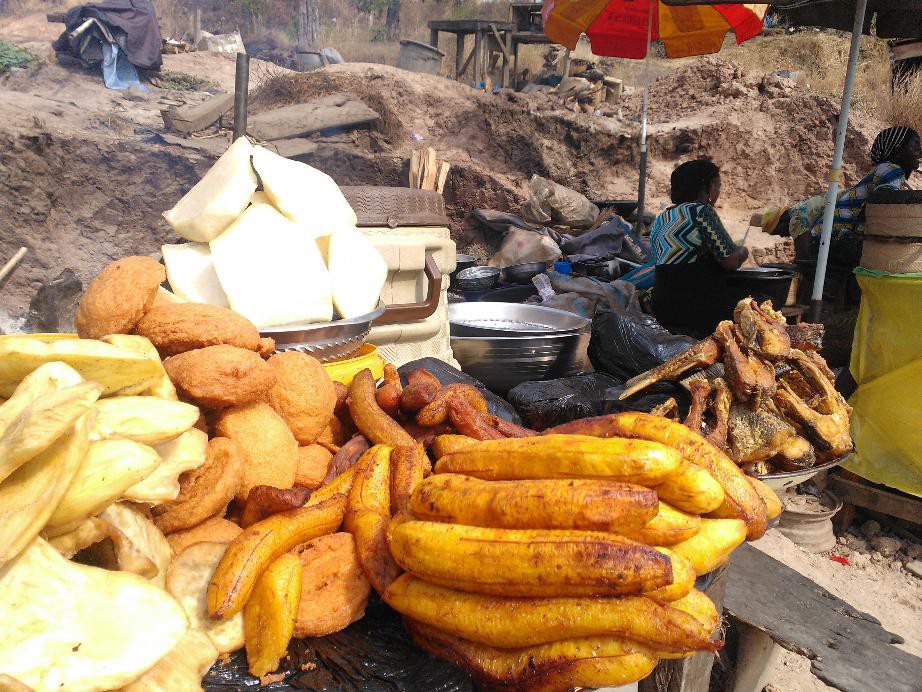
Yam is one of the African favourites as a stable food; so important is Yam in Africa that you will most times find the people of certain villages and town celebrating new yam festival. The African man has relied on Yam as a staple food for so long that, it is almost impossible to imagine the African man living without having yam in his diet. Yam is sometimes boiled and eaten with stew, fried eggs or oil. It can also be roasted and taken as a snack but the most popular food that makes yam king in terms of stable food is pounded yam. My reason for writing this piece is to teach or guide you in your quest to fry yam and here are the guidelines.

Recipes/Ingredients

  • Yam tubers
  • Salt
  • Groundnut oil

Steps on How to fry Yam

  • Cut the yam and peel off its dirty outer layer.
  • Cut the yam into small pieces.
  • Wash the yam and when clean you may rinse it.
  • Pour salt in the water where the yam is rinsed.
  • Put groundnut oil on fire and allow to heat
  • Then you start putting the small pieces of yam in the heated oil
  • Allow the yam to fry for 20minutes; you may add small amounts of water to the heated oil while frying.
Fried Yam in Yoruba is known as dundu and it is the popular name for it in Nigeria. Fried yam is most times taken with pepper stew and ponmo but nothing stops the stew from being accompanied with fish, meat and snails. Dundu has gained prominence as a party food and most times, you will hear people say they want ‘Dundu alata’ in parties and young people are now making a business out of it as caterers. Yam in Africa has a status that can’t be equated with most stable foods; it will interest you that the new yam festival in certain towns and villages in Africa happens to be one of the most important events of the year and is chaired by important dignitaries from such locality. The influence of yam as a stable food can also be noticed in popular African literature as the new yam festival is always included in the events and activities of most Nigerian literature in the past and present- in short, Chinua Achebe made readers understand the importance of yam in his world-famous book titled ‘things fall apart’ and Wole Soyinka went as far as stating that ‘Yams do not sprout in Amulets’ in his poem titled Abiku. In Yoruba, Yam is called Isu and pronounced ‘e-shu’, the importance of yam in the everyday life of the African man cannot be overemphasized. In the past a man who has an abundance of yam in his store is thought to be one of the richest men at the time and presently, it is being linked to research on the birth of twins in a particular town in Ife. Yam happens to be one of the very important foods for the African man.


Discover more from Daily Media NG

Subscribe to get the latest posts sent to your email.

Click to comment

Leave a Reply

Your email address will not be published. Required fields are marked *

Nigerian Food

How to Make Ogbono Soup: A Step-by-Step Guide to a Delicious Nigerian Delicacy

Published

on

How to Make Ogbono Soup: Simple Nigerian Recipe Guide

Ogbono soup, also known as draw soup, is a rich, savory Nigerian dish celebrated for its unique, slimy texture and hearty flavor. Made from ground ogbono seeds (African mango seeds), this traditional West African soup is a staple in many Nigerian households. Whether you are a seasoned cook or a beginner exploring Nigerian cuisine, this comprehensive guide will walk you through how to make ogbono soup step by step. Packed with authentic ingredients and practical tips, this recipe will help you create a mouthwatering dish that captures the essence of Nigerian culinary heritage. Let’s dive into the process of preparing this flavorful dish!

What is Ogbono Soup?

Before we get into the step-by-step recipe, let’s understand what makes ogbono soup so special. Ogbono soup is a thick, draw-like soup made from ground ogbono seeds, which are derived from the African mango (Irvingia gabonensis). The seeds give the soup its characteristic slimy consistency, which is a beloved texture in many West African dishes. Often paired with proteins like beef, goat meat, fish, or chicken, and enriched with vegetables like spinach or ugu (fluted pumpkin leaves), ogbono soup is typically served with Nigerian staples such as pounded yam, fufu, or garri.

This Nigerian soup recipe is not only delicious but also packed with nutrients. Ogbono seeds are rich in healthy fats, fiber, and antioxidants, making this dish both satisfying and wholesome. Ready to learn how to make ogbono soup? Let’s gather the ingredients and get started!

Ingredients for Ogbono Soup

To prepare a classic ogbono soup that serves 4-6 people, you will need the following ingredients:

  • Ogbono seeds (ground): 1 cup (ensure it’s finely ground for the best texture)
  • Protein: 500g of assorted meats (beef, goat meat, or chicken) and/or fish (dry fish, stockfish, or smoked fish)
  • Palm oil: ½ cup (adds richness and color to the soup)
  • Vegetables: 2 cups of chopped spinach, ugu (fluted pumpkin leaves), or bitterleaf (washed to reduce bitterness)
  • Onions: 1 medium-sized onion, finely chopped
  • Crayfish (ground): 2 tablespoons (for authentic flavor)
  • Pepper: Scotch bonnet or habanero peppers (adjust to taste, typically 2-3 for medium heat)
  • Seasoning cubes: 2-3 cubes (Maggi or Knorr, commonly used in Nigerian cooking)
  • Salt: To taste
  • Water or stock: 4-5 cups (preferably meat or fish stock for enhanced flavor)

Optional Ingredients

  • Locust beans (iru): 1 tablespoon for extra umami
  • Dried shrimp or prawns: ¼ cup for added depth

Notes on Ingredients

  • Ogbono seeds: Purchase pre-ground ogbono or grind whole seeds using a spice grinder. Freshly ground seeds yield the best texture for African mango seed soup.
  • Protein choice: Use a mix of meats and fish for a robust flavor, a hallmark of traditional Nigerian cuisine.
  • Vegetables: Ugu is the most traditional, but spinach or kale can be used as substitutes if ugu is unavailable.

Step-by-Step Guide to Making Ogbono Soup

Follow these steps to create a delicious pot of ogbono soup that will impress your family and friends.

Step 1: Prepare the Ingredients

Preparation is key to a seamless cooking process. Start by:

  • Cleaning the protein: If using meat, wash thoroughly and cut into bite-sized pieces. For fish, soak dry fish or stockfish in hot water for 10-15 minutes to soften, then debone and clean. Smoked fish can be rinsed lightly to remove excess salt.
  • Blending the peppers: Blend the scotch bonnet peppers with a small amount of water to create a smooth paste. Set aside.
  • Chopping vegetables: Wash and chop the ugu, spinach, or bitterleaf. If using bitterleaf, soak and rinse multiple times to reduce bitterness.
  • Grinding ogbono: If your ogbono seeds are not pre-ground, use a spice grinder to achieve a fine powder. This ensures the signature slimy texture of ogbono soup.

Step 2: Cook the Protein

  1. Place the meat in a large pot and season with salt, one seasoning cube, and half of the chopped onions.
  2. Add enough water to cover the meat and bring to a boil. Reduce heat and simmer for 20-30 minutes until the meat is tender. For tougher cuts like goat meat or stockfish, you may need to cook longer or use a pressure cooker.
  3. If using fish, add it to the pot after the meat is partially cooked (about 15 minutes in), as fish cooks faster. Set the cooked protein and stock aside.

Tip: The stock from cooking the meat and fish is the backbone of your Nigerian soup recipe. Don’t discard it—it adds depth to the soup.

Step 3: Prepare the Ogbono Base

  1. In a clean, dry pot, heat the palm oil over medium heat for about 1-2 minutes until it becomes translucent. Avoid overheating to prevent a burnt taste.
  2. Add the ground ogbono to the palm oil and stir continuously for 1-2 minutes. The mixture will thicken and become aromatic, signaling that the ogbono is ready to absorb the stock.
  3. Gradually pour in the meat/fish stock (or water if you don’t have enough stock) while stirring to avoid lumps. The soup will start to thicken and develop its characteristic draw-like texture.

Pro Tip: For a smoother consistency, mix the ground ogbono with a small amount of warm water before adding it to the palm oil. This helps prevent clumping.

Step 4: Add Seasonings and Protein

  1. Add the blended pepper paste, ground crayfish, locust beans (if using), and the remaining seasoning cubes to the pot. Stir well to combine.
  2. Return the cooked meat and fish to the pot, ensuring they are evenly distributed.
  3. Taste the soup and adjust with salt or additional seasoning cubes as needed.
  4. Allow the soup to simmer on low heat for 10-15 minutes to let the flavors meld. Stir occasionally to prevent the soup from sticking to the pot.

Step 5: Incorporate the Vegetables

  1. Add the chopped vegetables (ugu, spinach, or bitterleaf) to the soup. Stir gently to combine.
  2. Cook for an additional 3-5 minutes. Overcooking the vegetables can cause them to lose their vibrant color and nutrients, so keep an eye on the time.
  3. If the soup is too thick, add a little more water or stock to reach your desired consistency. Ogbono soup should be thick but not overly pasty.

Step 6: Final Touches and Serving

  1. Give the soup a final stir and taste for seasoning. Adjust if necessary.
  2. Turn off the heat and let the soup sit for 5 minutes to settle.
  3. Serve hot with your choice of Nigerian swallow, such as pounded yam, fufu, garri, or amala. The slimy texture of ogbono soup pairs perfectly with these starchy sides, making it a satisfying meal.

Tips for the Perfect Ogbono Soup

  • Avoid covering the pot while cooking ogbono soup, as this can reduce its draw-like texture. Keep the pot uncovered during simmering.
  • Use fresh ingredients: Freshly ground ogbono and crayfish enhance the flavor of African mango seed soup.
  • Balance the sliminess: If the soup is too slimy, add more stock or water. If it’s too watery, simmer longer to thicken.
  • Customize the heat: Adjust the amount of scotch bonnet peppers to suit your spice tolerance.
  • Storage: Ogbono soup can be refrigerated for up to 3 days or frozen for a month. Reheat gently to preserve the texture.

Why Ogbono Soup is a Must-Try

Ogbono soup is more than just a meal; it’s a celebration of traditional Nigerian cuisine. Its unique texture, rich flavors, and versatility make it a favorite across Nigeria and beyond. Whether you are hosting a cultural gathering or simply craving a comforting dish, learning how to make ogbono soup is a rewarding culinary adventure. The combination of hearty proteins, nutritious vegetables, and the distinctive draw of ogbono seeds creates a dish that is both flavorful and nourishing.

Variations of Ogbono Soup

While the classic recipe is beloved, you can experiment with variations:

  • Vegetarian Ogbono Soup: Skip the meat and fish, using mushrooms or tofu for protein, and vegetable stock for flavor.
  • Ogbono-Egusi Combo: Combine ground ogbono with egusi (melon seeds) for a hybrid soup popular in some Nigerian regions.
  • Seafood Twist: Use shrimp, crab, or periwinkles for a coastal-inspired version.

Nutritional Benefits of Ogbono Soup

Ogbono seeds are a nutritional powerhouse, offering:

  • Healthy fats: Support heart health and provide energy.
  • Fiber: Aids digestion and promotes gut health.
  • Antioxidants: Help combat oxidative stress.

When paired with vegetables and lean proteins, ogbono soup is a balanced meal that fits into a healthy diet.

Conclusion

Making ogbono soup is a delightful way to explore traditional Nigerian cuisine. With its rich, slimy texture and bold flavors, this Nigerian soup recipe is sure to become a favorite in your kitchen. By following this step-by-step guide, you will master how to make ogbono soup that is authentic, delicious, and perfect for any occasion. Whether you are cooking for family, friends, or yourself, this African mango seed soup will bring warmth and satisfaction to the table. Try it today, and enjoy the taste of Nigeria in every spoonful!


Discover more from Daily Media NG

Subscribe to get the latest posts sent to your email.
Continue Reading

Nigerian Food

Most Popular Street Foods in Nigeria

Published

on

Street Foods Nigeria

The Nigerian culture is clearly visible in its delicacies. Despite all the diversity, when it comes to street foods, there’s this peculiar unity that’s easily seen in the eating habits of it’s citizens. How a snack, or delicacy becomes a general household dish for all Nigerians despite the diversity in cultural practices is still largely unknown. Although what we know are some of these foods that are common place among all Nigerians. Below are the top 10 street foods that you are sure to come across where ever you are in the country.

Top 10 Most Popular Street Foods in Nigeria

It is commonplace for us Nigerians to coin out wonderful names for things we love or make use of regularly, and totally forgetting the actual English or original name. Well for this list I’ll be making use of mostly the local names we give these foods.
  • Akara

The kind of food that I can say will put the ‘fast’ in fast-food, and still maintain its local originality while giving as much energy, and nutrients as you would need to get by the day. Best eaten with bread or ogi (akamu), or pap, the combo is mostly used for breakfast, but can also be used as supper. The English name is “Beans Cake”.
  • Kpekere

It doesn’t matter whether its English name is “Plantain Chips” – it’s always going to be Kpekere to me lol. This crunchy, and addictive snack can be eaten in just about anywhere – ideal for people looking for something to fill the stomach a little, but don’t want to eat stuff from bakeries or in sachets with an expiry date tag. It’s made from unripe or ripe plantain – hence the name… 
  • Puff

Though it’s called different names like “Kala, Boflot, Mikate, Togbei”, its original name is actually Puff-Puff as given by the Sub-Saharan People in Africa. It’s quite hard to know that a fried dough can actually be this popular – but it is. Best eaten with soft drinks, its influence in the Nigerian feeding system is colossal as it’s now sold in almost anywhere, and even served as the mini course in ceremonies. 
  • Suya

Well this one doesn’t need an introduction, it’s sold in just about any junction in the streets of naija. The barbequed meat is made from beef or chicken, sometimes it’s done with fish. Best taken with chilled water mostly because of its hot taste. It’s usually garnished with either onions, cucumber, or cabbage.
  • Roasted/Boiled Corn 

This is another street favourite – only blemish is that it has its season, so it’s not really available throughout the year. Whichever type you get (roasted or boiled), corn itself doesn’t ever disappoint, and it’s always satisfying. It’s sold in almost every junction connecting streets, and roads.
  • Boli/Bole

When talking about popular local foods, it is hard not to mention Boli (roasted plantain). Just like corn, it comes in its seasons, and usually sold in the same junctions as corn (sometimes by the same seller in the different seasons). Best eaten with groundnut, these roast foods can be very satisfying.
  • Moi Moi

This is basically another way of preparing a nice meal with beans. Though the process of preparing this delicacy is quite long, and stressful, when done right, it’s always worth it. It’s always filling, and satisfying, little wonder why it’s used mainly as lunch, and taking with something light like ogi or pap.
  • Fried Yam 

Well back to the fries again – Nigerians love it. Fried yam (Dun dun) is really popular especially when in its season. Can either be cut in large pieces or little chips, either way, it’s deep fried, and best served with beans, sauce, or eaten alone.
  • Abacha

This food also called African Salad, has soaked cassava (bobozi), palm oil, and vegetables as its key ingredients. It’s usually hawked around markets, and busy areas in the city. The food which originated from the east, has now become a regular dish for most tribes in Nigeria.
  • Popcorn

Hardly a junction in Nigeria where you won’t see a popcorn stand these days. This crunchy snack is basically eaten for fun (though it contains some nutrients), and usually accompanied with ice-cream. Also, if you’re looking for a movie snack, popcorn can be a really nice pick.


Discover more from Daily Media NG

Subscribe to get the latest posts sent to your email.

Continue Reading

Nigerian Food

How to make Cookies In Nigeria

Published

on

How To Make Cookies In Nigeria

Cookies are the ideal snack for people skipping breakfast. A cookie can be described as a sort of biscuit prepared with nutritional benefits. As mentioned earlier, cookies can be described as a sort of sandwich or biscuit, but one thing with them is that any ingredient you put into its preparation turns out great. There are different kinds of cookies and cookie recipes in the world. This article contains some of the major cookies widely eaten across the world such as: Dark Chocolate Pistachio sea salt cookies – are baked with pistachios and chunks of dark chocolate sprinkled with sea salt. Kitsilano cookies – are one of the healthiest cookies filled with oats, sunflower seeds and some dried fruit. Peanut butter and Jelly Sandwich cookies Brown butter oatmeal cookies – are prepared with caramel and peanut butter. The cookies mentioned above are some of the most popular cookies made all over the world. Coming back to Nigeria, the most popular cookies available here are the plain cookies and the chocolate chip cookies. In this article, we shall be looking at the process of preparing these two types of cookies. Plain Cookies Ingredients for preparing Plain Cookies [5 servings] 250g of flour, 120g of sugar, a pinch of salt, 1 egg yolk, Vanilla flavour, 1 teaspoon of baking powder, 125g of butter, and 15ml – 30ml of cold water.

Steps to prepare cookies at home

First sift the flour and baking powder into a large bowl to ensure the particles are smooth, and do not contain any foreign particles. Ensure you sieve properly and carefully to ensure flour and baking powder doesn’t fall all over the place. Next add some salt to the mixture. Add butter to the mixture by working it. Beat the egg and add it to the mixture you’ve gotten from following the above steps. Next, work the egg and butter in the mixture thoroughly to ensure a fine and smooth mixture. Add your sugar, as well as vanilla flavour to the mixture so it doesn’t taste bland but has some level of sweetness. Add little water to the mixture to ensure the whole thing mixes well, then work continuously over and over till you get a smooth dough. Next, cover the dough in a sheet of aluminum flour and then put it into the fridge for a period of ten (10) minutes. Set your oven to preheat to about 180 degrees Celsius or 350 degrees Fahrenheit. Then take an oven pan and spread butter on it and then flour to ensure the cookies don’t get stuck to the pan. Take your dough and roll it out on a smooth work surface which you have covered with flour to prevent the dough from sticking to the work surface. Use a cookie cutter to cut out the cookies into desired shapes and sizes. Place them one after the on the oven tray which you covered with both butter and flour. Ensure you cut till all dough is exhausted. Sprinkle sugar on the cookies and then place in the oven to bake for a period of 15 – 20 minutes. After about 20 minutes, bring out the cookies and then place them in another tray for them to cool to room temperature before serving. These cookies could be served with a cold drink or milk.

Chocolate Chip Cookies

Ingredients Used In Preparing Chocolate Chip Cookies [5 servings] 120g of sugar, a pinch of salt, 1 teaspoon of baking powder, 100g of chocolate chips or chocolate bars which have been properly refrigerated and crushed, 125g of butter, 15ml – 30ml of cold water, 250g of flour, 1 egg yolk.

Steps to follow when preparing cookies at home

The first step is to sift the flour and baking powder into a large bowl. Add some salt: a sprinkle should be enough. Ensure you sieve properly and carefully to ensure you don’t throw flour and baking powder all over the place. Add butter to the sieved baking powder and flour, followed by beaten eggs. Mix the whole thing properly and thoroughly, then add sugar to it. Add small water to the mixture so some sort of paste is formed. Keep on working over and over till a smooth dough is gotten. Cover the dough in aluminum foil before storing in the fridge for a period of 10 minutes. Set your oven to preheat to about 180 degrees Celsius or 350 degrees Fahrenheit. Then take an oven pan and spread butter on it and then flour to ensure the cookies don’t get stuck to the pan. Take your dough and roll it out on a smooth work surface which you have covered with flour to prevent the dough from sticking to the work surface. The next step is to pour in the chocolate chips over the dough and then roll over the dough with a rolling pin so it sticks to the dough. Use a cookie cutter to cut out the cookies into desired shapes and sizes. Place them one after the on the oven tray which you covered with both butter and flour. Ensure you cut till all dough is exhausted. Sprinkle sugar on the cookies and then place in the oven to bake for a period of 15 – 20 minutes. After about 20 minutes, bring out the cookies and then place them in another tray for them to cool to room temperature before serving. So! There you have it the two steps involved in preparing the most popular cookies in Nigeria. Ensure to keep your cookies refrigerated after baking so they stay nice and tasty. Cookies can go with whatever type of drink smoothies, milk, beverages, etc.


Discover more from Daily Media NG

Subscribe to get the latest posts sent to your email.

Continue Reading
Advertisement
August 2026
M T W T F S S
 12
3456789
10111213141516
17181920212223
24252627282930
31  

Trending

Discover more from Daily Media NG

Subscribe now to keep reading and get access to the full archive.

Continue reading