
Sports
Premier League 2024-25: A Season of Triumphs, Turmoil, and Tactical Evolution

Post Links
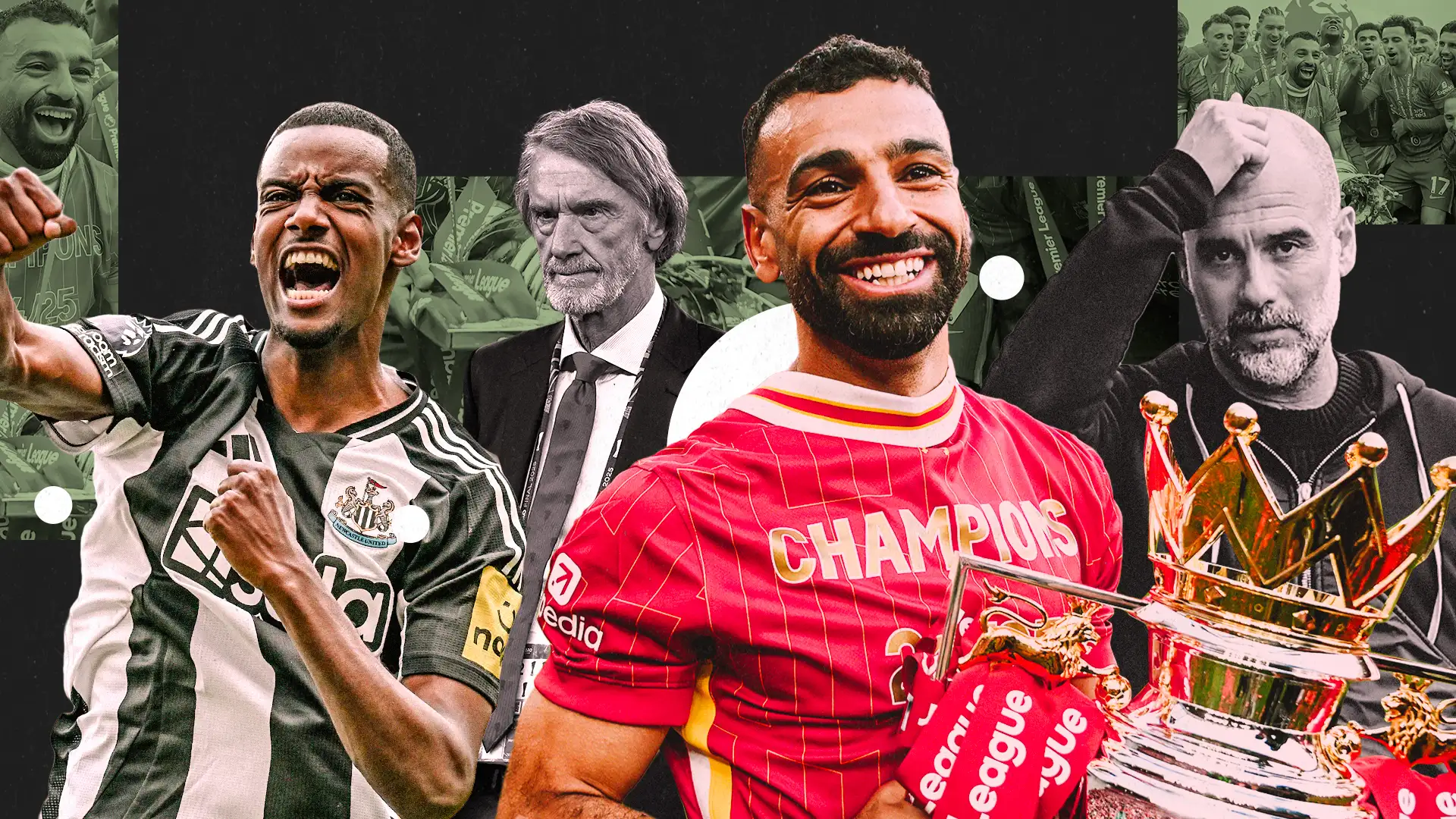
The Premier League 2024-25 season has come to a thrilling close, delivering a rollercoaster of emotions, unforgettable moments, and significant shifts in English football’s landscape. From Liverpool’s commanding title win under Arne Slot to the relegation of all three promoted teams, this season was anything but predictable. In this detailed recap, we will dive into the key moments that defined the campaign, explore the highs and lows, and look ahead to what the 2025-26 season might hold. Whether you are a die-hard football fan or a casual observer, this season offered drama, tactical innovation, and standout performances that will be remembered for years.

Key Moments of the 2024-25 Premier League Season
Liverpool’s Dominant Title Run
The standout story of the 2024-25 season was Liverpool’s emphatic resurgence under new manager Arne Slot. Following Jürgen Klopp’s departure, many questioned whether the Reds could maintain their competitive edge. Slot answered those doubts with a masterclass in tactical flexibility, leading Liverpool to their second Premier League title and a record-equaling 20th top-flight crown. The Reds secured the title with four games to spare, finishing with 84 points and a +45 goal difference, showcasing their dominance both in attack and defence.
Key players like Mohamed Salah, who broke the record for most goal involvements in a 38-game season with 46, and Ryan Gravenberch, revitalised as a defensive midfielder, were instrumental in this triumph. A defining moment came in their 2-2 draw against Manchester United at Anfield, where Slot’s tactical acumen was on full display, exploiting United’s weaknesses while maintaining Liverpool’s attacking flair.
Nottingham Forest’s Remarkable Rise
Nottingham Forest’s meteoric rise was one of the season’s most unexpected narratives. After narrowly avoiding relegation in 2023-24, Forest, under Nuno Espírito Santo, secured European football for the first time in 30 years. Their 7-0 home thrashing of Brighton & Hove Albion on February 1, 2025, stands as the season’s biggest win, with strikers Chris Wood and Morgan Gibbs-White leading the charge.
Wood’s exceptional 28.3% conversion rate and Gibbs-White’s 14 goal involvements (six goals, eight assists) earned them nominations for the EA SPORTS Player of the Season award. Forest’s aggressive, vertical style of play and their ability to compete with the traditional “Big Six” signalled a shift in the Premier League’s hierarchy, making them a team to watch in the 2025-26 season.
Manchester City’s Unexpected Struggles
Defending champions Manchester City entered the season as favourites to clinch a fifth consecutive title but endured their worst campaign since 2016-17. A shocking run of four successive league defeats, including a 4-0 home loss to Tottenham Hotspur on November 23, 2024, highlighted their vulnerabilities. Despite finishing third and securing Champions League qualification, City’s inability to maintain their usual dominance raised questions about Pep Guardiola’s squad.
The introduction of semi-automated offside technology, first used at the Etihad Stadium during their match against Crystal Palace on April 12, 2025, added a new layer of scrutiny to their performances. City’s struggles underscored the growing competitiveness of the Premier League, with teams like Forest and Newcastle United challenging the established order.
Relegation Heartbreak for Promoted Trio
The 2024-25 season was brutal for the newly promoted sides—Leicester City, Ipswich Town, and Southampton—who all returned to the Championship after just one year in the top flight. Southampton’s relegation was confirmed earliest, on April 6, 2025, after a 3-1 defeat to Tottenham, with only 10 points from 31 games—a new record for the earliest relegation in Premier League history. Leicester and Ipswich followed, unable to overcome the top-flight’s intensity. This marked the first time since 1997-98 that all three promoted teams were relegated in their first season, highlighting the growing gap between the Premier League and the Championship.
Managerial Shake-Ups and Tactical Shifts
The season saw significant managerial changes that shaped team fortunes. Manchester United sacked Erik ten Hag on October 28, 2024, after a 2-1 loss to West Ham United left them languishing in 14th place. Ruben Amorim’s appointment on November 1 brought a new tactical blueprint, though results were inconsistent, with United failing to win back-to-back games all season.
Leicester City parted ways with Steve Cooper on November 24, replacing him with Ruud van Nistelrooy, while Wolverhampton Wanderers dismissed Gary O’Neil on December 15 after 11 losses in 16 games, appointing Vitor Pereira. These changes reflected the Premier League’s evolving tactical landscape, with managers like Slot and Nuno embracing direct, vertical football over possession-based play.
Standout Individual Performances
The season was defined by exceptional individual contributions. Mohamed Salah’s record-breaking campaign earned him the EA SPORTS Player of the Season award, cementing his status as one of the Premier League’s all-time greats. Alexander Isak’s 23 goals for Newcastle United, including 19 non-penalty goals, placed him among the league’s elite strikers, while Chris Wood’s 20 goals for Forest made him a record scorer for both Forest and Burnley.
Arsenal’s Declan Rice and Brentford’s Bryan Mbeumo also shone, earning nominations for their all-around contributions. Kaoru Mitoma’s stunning goal for Brighton, controlling a long-range pass from Bart Verbruggen and finishing with precision, was a highlight of technical brilliance.
Tactical Evolution and the Return of the No. 9
The 2024-25 season marked a tactical shift, with a resurgence of traditional centre-forwards. Players like Erling Haaland, Chris Wood, Alexander Isak, and Ollie Watkins thrived as focal points in attack, moving away from the “false nine” trend. Liverpool’s direct, vertical style under Slot, with 93,682 meters in progressive pass distance, set the tone for a season where quick transitions and aggressive pressing dominated.
Arsenal’s balanced approach under Mikel Arteta kept them in the title race, though their lack of a clinical striker cost them dearly. The data also showed a slower, more controlled pace of play compared to previous seasons, sparking debates about “overcoaching” and a lack of flair, as seen in the goalless Manchester derby in April.
Highs of the Season
- Liverpool’s Title Triumph: Arne Slot’s seamless transition and Liverpool’s commanding performances made them worthy champions, with Salah’s brilliance stealing the show.
- Nottingham Forest’s European Qualification: Their top-seven finish and European football secured a historic milestone for the club.
- Newcastle’s League Cup Success: Winning their first major trophy in 70 years in March 2025 was a high point for Eddie Howe’s side.
- Introduction of Semi-Automated Offside Technology: The technology’s debut at the Etihad Stadium marked a new era for officiating accuracy.
Lows of the Season
- Relegation of Promoted Teams: The swift relegation of Leicester, Ipswich, and Southampton highlighted the challenges of transitioning to the Premier League.
- Manchester City’s Decline: Their worst run since 2008 shocked fans and pundits, signalling vulnerabilities in Guardiola’s squad.
- Manchester United’s Struggles: Failing to win back-to-back games and a Europa League final loss to Tottenham capped a dismal campaign.
- Storm Darragh Disruption: The postponement of Everton vs. Liverpool on December 7, 2024, due to adverse weather was a rare low point in the season’s schedule.
UK Tiktok Creation Blueprint with Monetization tips and Coaching – How to create a U.K. tiktok account

What to Look Forward to in the 2025-26 Season
The 2025-26 Premier League season, kicking off on August 16, 2025, promises to build on this year’s drama. Here are key storylines to watch:
- Can Liverpool Defend Their Title? With Slot’s system now established and Salah signed to a new contract, Liverpool will aim to solidify their dominance. However, injuries and European commitments could test their depth.
- Manchester City’s Response: Pep Guardiola will look to rebuild and reclaim City’s supremacy, likely targeting a new striker and defensive reinforcements in the transfer window.
- Newly Promoted Teams: Leeds United and Burnley have secured promotion, with either Sheffield United or Sunderland joining them. Their ability to avoid the fate of this season’s relegated trio will be crucial.
- Champions League Race: With only eight points separating fourth from 11th this season, the battle for European spots will remain intense. Teams like Chelsea and Newcastle qualified for the Champions League.
- Tactical Evolution: The shift toward vertical football and the resurgence of traditional strikers is likely to continue, with managers adapting to counter Liverpool’s blueprint.
Conclusion
The 2024-25 Premier League season was a testament to the league’s unpredictability and competitiveness. Liverpool’s title win, Nottingham Forest’s resurgence, and the struggles of giants like Manchester City and United defined a campaign full of surprises. As we look ahead to 2025-26, the Premier League promises more drama, with new tactical battles, emerging stars, and the return of historic clubs like Leeds and Burnley. Fans can expect another season of heart-stopping moments and fierce competition as the world’s most exciting league continues to evolve.
Discover more from Daily Media NG
Subscribe to get the latest posts sent to your email.



Securing sponsorship as a young athlete can be a game-changer, providing financial support, equipment, and exposure to propel your career forward. However, landing a sponsorship requires more than just talent on the field, court, or track. It demands strategy, professionalism, and a strong personal brand. In this comprehensive guide, we will walk you through the steps to attract sponsors as a young athlete, offering actionable tips to stand out in a competitive landscape.
UK Tiktok Creation Blueprint with Monetization tips and Coaching – How to create a U.K. tiktok account
Why Sponsorship Matters for Young Athletes
Sponsorships are partnerships between athletes and brands where companies provide resources, such as funding, gear, or promotional opportunities, in exchange for visibility and association with the athlete’s success. For a young athlete, sponsorships can cover training costs, travel expenses, and equipment, allowing you to focus on performance rather than financial stress. Moreover, sponsors can amplify your reach, helping you build a fan base and establish credibility in your sport.
However, brands are selective. They invest in athletes who align with their values, demonstrate potential, and can deliver a return on investment (ROI) through exposure and engagement. As a young athlete, your journey to securing sponsorship starts with understanding what sponsors want and positioning yourself as a valuable partner.
Step 1: Build a Strong Personal Brand
Personal branding is the foundation of attracting sponsors. Your brand is how you present yourself to the world, both online and offline. It reflects your values, personality, and achievements, making you memorable to potential sponsors.
Define Your Unique Value Proposition
Ask yourself: What makes you stand out as a young athlete? Are you a record-breaking sprinter, a community leader, or a charismatic figure in your sport? Identify your unique strengths and craft a narrative around them. For example, if you are a young athlete who overcame adversity to compete at a high level, that story can resonate with brands looking for inspiring ambassadors.
Leverage Social Media
In today’s digital age, social media is a powerful tool for personal branding. Platforms like Instagram, X, and TikTok allow you to showcase your athletic journey, connect with fans, and attract sponsors. Post consistently about your training, competitions, and behind-the-scenes moments. Use high-quality visuals and engage with your audience to build a loyal following. For instance, sharing a video of your latest win with the hashtag #AthleteSponsorship can increase your visibility to brands searching for talent.
Create a Professional Online Presence
Ensure your social media profiles are professional and aligned with your goals. Avoid controversial content that could deter sponsors. Consider creating a personal website or portfolio showcasing your achievements, media coverage, and contact information. A polished online presence signals to brands that you’re serious about your career.
Step 2: Identify Potential Sponsors
Not every brand is a good fit for your sponsorship goals. To maximize your chances, target companies that align with your sport, values, and audience.
Research Brands in Your Sport
Start by identifying companies already involved in sports marketing. Look at brands that sponsor athletes in your discipline or similar sports. For example, a young track athlete might target companies like Nike, Adidas, or local fitness brands, while a swimmer could approach swimwear companies like Speedo. Research their sponsorship programs and criteria to ensure you meet their requirements.
Consider Local Businesses
Don’t overlook local businesses, especially as a young athlete. Local gyms, sports stores, or community-based companies may be more approachable than global brands and can offer valuable support. These partnerships can also lead to bigger opportunities as your career grows.
Align with Brand Values
Sponsors want athletes who embody their mission. If a company promotes sustainability, highlight any eco-friendly initiatives you support. If they value community engagement, showcase your volunteer work or mentorship of younger athletes. Tailoring your pitch to their values increases your appeal.
Step 3: Craft a Compelling Sponsorship Proposal
A sponsorship proposal is your formal pitch to potential sponsors. It outlines who you are, what you offer, and why a partnership benefits the brand. A well-crafted proposal can make or break your chances of securing athlete sponsorship.
Key Components of a Sponsorship Proposal
- Introduction: Briefly introduce yourself as a young athlete, including your sport, achievements, and goals. For example, “I’m a 17-year-old competitive cyclist with three national titles and a growing social media following of 10,000.”
- Your Audience: Highlight your reach, such as your social media followers, local fanbase, or media coverage. Brands want to know how many people you can expose their products to.
- Value Proposition: Explain what you can offer, such as logo placement on your gear, social media shoutouts, or appearances at brand events. Be specific about how you’ll promote their products.
- Sponsorship Needs: Clearly state what you’re seeking—funding, equipment, or travel support—and how it will help you succeed.
- Call to Action: End with a request for a meeting or discussion to explore the partnership further.
Tips for a Winning Proposal
- Keep It Concise: Aim for 1-2 pages, using clear and professional language.
- Use Visuals: Include photos or videos of you in action to make your proposal engaging.
- Tailor Each Proposal: Customize your pitch for each brand, addressing their specific goals and values.
- Proofread: Errors can undermine your professionalism, so double-check your work.
Step 4: Network and Build Relationships
Sponsorships often come through relationships rather than cold pitches. Networking is critical for getting your foot in the door.
Attend Industry Events
Sports expos, competitions, and industry conferences are great places to meet brand representatives. Bring business cards with your contact information and a link to your portfolio. Introduce yourself confidently and follow up with a personalized email or sponsorship proposal.
Leverage Coaches and Mentors
Your coaches, teammates, or mentors may have connections in the sports industry. Ask for introductions to brands or advice on approaching sponsors. Their endorsement can add credibility to your pitch.
Engage on Social Media
Interact with brands on platforms like X by commenting on their posts, sharing their content, or tagging them in relevant updates. For example, if you’re using a brand’s product, post about it with a caption like, “Training hard with [Brand Name] gear! #SportsMarketing #YoungAthlete.” This builds familiarity and shows your genuine interest in their products.
Step 5: Demonstrate Your Value
Sponsors invest in athletes who can deliver measurable results. To prove your worth, focus on showcasing your achievements and engagement.
Highlight Your Achievements
Keep a record of your wins, rankings, and media appearances. For example, if you placed first in a regional tournament or were featured in a local newspaper, include these in your portfolio. These accomplishments demonstrate your potential to represent a brand effectively.
Grow Your Audience
A strong fan base increases your value to sponsors. Engage with your followers by responding to comments, hosting Q&A sessions, or sharing relatable content. The larger and more engaged your audience, the more attractive you are to brands looking for sports marketing opportunities.
Track Your Metrics
Use analytics tools to track your social media engagement, website traffic, or media reach. Share these metrics in your sponsorship proposal to show brands the exposure they’ll gain by partnering with you.
Step 6: Be Professional and Persistent
Securing athlete sponsorship takes time and effort. Brands may not respond immediately, so professionalism and persistence are key.
Follow Up Politely
If you don’t hear back after sending a sponsorship proposal, follow up after a week or two with a polite email. Reiterate your interest and offer to provide additional information.
Handle Rejection Gracefully
Not every pitch will result in a sponsorship. If a brand declines, thank them for their time and ask for feedback. This shows maturity and keeps the door open for future opportunities.
Deliver on Promises
If you secure a sponsorship, fulfill your commitments. Promote the brand as agreed, whether through social media posts, logo placement, or event appearances. Building a reputation for reliability can lead to long-term partnerships.
Common Mistakes to Avoid
- Focusing Only on Big Brands: Don’t ignore smaller or local companies, as they may be more accessible for a young athlete.
- Neglecting Personal Branding: A weak online presence can make you less appealing to sponsors.
- Sending Generic Proposals: Tailor each sponsorship proposal to the specific brand to show genuine interest.
- Overpromising: Be realistic about what you can deliver to maintain trust with sponsors.
- Giving Up Too Soon: Sponsorships take time, so stay persistent and keep refining your approach.
Conclusion
Securing sponsorship as a young athlete is a journey that requires dedication, strategy, and a strong personal brand. By building your branding, researching potential sponsors, crafting compelling sponsorship proposals, networking effectively, and demonstrating your value, you can attract the support you need to take your career to the next level. Start small, stay professional, and be persistent—your hard work will pay off as you establish yourself as a marketable athlete in the world of sports marketing.
Ready to get started? Create a professional portfolio, identify brands that align with your goals, and send out those sponsorship proposals. With the right approach, you’ll be on your way to securing the partnerships that fuel your athletic dreams.
Discover more from Daily Media NG
Subscribe to get the latest posts sent to your email.

In the ever-evolving world of football, social media has become a powerful tool for connecting fans with their favorite teams. As of June 2025, the latest data from the CIES Football Observatory, shared through Sky Sports, reveals the top ten most followed football teams globally. This ranking, based on combined followers across platforms like Instagram, Facebook, TikTok, and YouTube, offers a fascinating glimpse into the digital dominance of these teams. With Real Madrid leading the pack at 474 million followers, the list sparks curiosity about what drives these numbers and how they reflect the sport’s global appeal. Let’s dive into the details and explore the factors behind this social media hierarchy.
UK Tiktok Creation Blueprint with Monetization tips and Coaching – How to create a U.K. tiktok account
Real Madrid Tops the Chart with 474 Million Followers
Real Madrid stands at the forefront with an impressive 474 million social media followers, outpacing its closest rival, Barcelona, by 47 million. This lead can be attributed to the club’s remarkable success on the pitch, particularly its record-breaking 15 UEFA Champions League titles. The team’s consistent performance, including six victories in the last 12 years, has solidified its status as a global powerhouse. Beyond trophies, Real Madrid’s strategic use of star players and engaging content has cultivated a massive international fan base. The club’s ability to maintain this edge over Barcelona, a team with its own storied history, highlights the impact of recent achievements and effective digital marketing.
Barcelona Follows Closely with 427 Million Followers
Trailing Real Madrid by a narrow margin, Barcelona boasts 427 million followers, reflecting its enduring popularity. The club’s rich legacy, marked by legendary players and a distinctive playing style, continues to resonate with fans worldwide. Despite facing challenges in recent years, Barcelona’s social media presence remains robust, thanks to its focus on youth development and high-profile signings. The close competition with Real Madrid underscores the intense rivalry between these two Spanish giants, a dynamic that keeps fans engaged across multiple platforms.
Manchester United and PSG Show Surprising Growth
Manchester United secures the third spot with 234 million followers, a testament to its historical success and global brand. The Red Devils have leveraged their Premier League heritage and iconic players to maintain a strong digital presence. Meanwhile, Paris Saint-Germain (PSG) surprises with 199 million followers, a significant leap from its pre-2021 numbers. The arrival of Lionel Messi in 2021 played a pivotal role in this growth, drawing millions of new fans to the club. This surge illustrates how high-profile transfers can transform a team’s social media footprint, blending organic fan interest with the superstar effect.
Other Notable Teams in the Top Ten
The list also features:
- Manchester City with 180 million followers
- Juventus at 175 million
- Liverpool at 167 million
- Chelsea at 153 million
- Bayern Munich at 149 million
- Arsenal rounding out the top ten with 114 million
Each team brings its unique story to the table. Manchester City’s rise reflects its investment in modern football and marketing, while Liverpool’s steady following highlights its passionate fan base and recent successes. Chelsea and Bayern Munich maintain strong numbers through consistent performance, whereas Arsenal’s lower ranking may indicate a need for renewed on-field success to boost its digital appeal.
What Drives Social Media Followings?
Several factors contribute to these follower counts:
- On-field success remains a key driver, with clubs like Real Madrid and Barcelona reaping the benefits of their trophy hauls.
- The influence of star players cannot be overlooked—transfers like Messi to PSG demonstrate how individual talent can elevate a team’s global reach.
- Clubs invest heavily in content creation, from match highlights to behind-the-scenes footage, to keep fans engaged.
- Marketing strategies, including partnerships and fan engagement campaigns, further amplify these numbers.
In some cases, the role of purchased followers has sparked debate, though verifying such claims requires deeper analysis beyond public data.
The Bigger Picture for Football Fans
This ranking offers more than just numbers—it reflects the shifting landscape of football fandom. Traditional powerhouses like Manchester United and Liverpool compete with newer forces like Manchester City and PSG, showing how modern strategies can reshape fan loyalty. For fans, these figures provide a sense of community and pride, while for clubs, they represent opportunities for revenue through sponsorships and merchandise. As social media continues to grow, the interplay between performance, personality, and promotion will likely shape future rankings.
Conclusion
The 2025 social media standings, led by Real Madrid’s 474 million followers, underscore the global influence of football clubs in the digital age. From Real Madrid’s championship legacy to PSG’s Messi-driven surge, each team’s ranking tells a story of success, strategy, and fan passion. As the sport evolves, keeping an eye on these numbers will reveal how clubs adapt to connect with their audiences. Whether you support a top-ten team or a rising contender, the social media landscape offers an exciting window into the heart of football fandom.
Discover more from Daily Media NG
Subscribe to get the latest posts sent to your email.
Sports
Barcelona, Chelsea, and Aston Villa Face UEFA Sanctions: Financial Fair Play Violations Rock European Soccer in 2025

In a major shake-up for European soccer, Barcelona, Chelsea, and Aston Villa are facing sanctions from UEFA due to breaches of Financial Fair Play (FFP) regulations. Barcelona, a Spanish powerhouse, is under scrutiny for the second consecutive year, with potential penalties including a reduced Champions League squad or a points deduction. Meanwhile, English Premier League clubs Chelsea and Aston Villa are set to receive financial penalties for their first-time FFP violations, as reported by Times Sport on June 4, 2025. This development underscores the increasing pressure on soccer clubs to adhere to financial regulations and raises broader questions about fairness in the sport’s governance.
UK Tiktok Creation Blueprint with Monetization tips and Coaching – How to create a U.K. tiktok account
Understanding UEFA’s Financial Fair Play Regulations
Introduced in 2009, UEFA’s Financial Fair Play rules were designed to ensure financial stability in European soccer. At the time, a UEFA review found that over half of the 655 clubs surveyed were operating at a loss, with 20% facing severe financial difficulties, according to a Wikipedia entry updated in May 2025. The regulations aim to prevent clubs from spending beyond their means, a practice often fueled by wealthy owners, as former UEFA President Michel Platini once described them as “sugar daddies.” Clubs must balance their expenditures with their revenue over multiple seasons, with the harshest penalty being exclusion from European competitions, a rule enforced since the 2011-12 season.
While the FFP rules have been praised in leagues like the German Bundesliga and French Ligue 1, which already had similar financial oversight, they’ve also faced criticism. Detractors argue that the regulations protect established clubs, fail to reduce overall debt, and restrict the internal market, as noted in the same Wikipedia source. In 2015, UEFA relaxed some FFP rules after legal challenges, but recent years have seen a renewed push for enforcement, as evidenced by the sanctions facing Barcelona, Chelsea, and Aston Villa.
Barcelona’s Ongoing Financial Fair Play Struggles
Barcelona’s financial woes have been a topic of concern for years, with the club battling significant debt while striving to remain competitive. A January 2025 Yahoo Sports report highlighted Barcelona as one of several clubs, including Chelsea, Aston Villa, Lyon, and Manchester United, under UEFA’s watch for potential FFP violations, while Inter Milan was cleared. The latest Times Sport update confirms Barcelona’s second consecutive year of FFP breaches, putting them at risk of serious consequences.
The potential penalties for Barcelona are substantial. A reduced Champions League squad would limit their ability to field top players, potentially weakening their performance in Europe’s elite competition. A points deduction, on the other hand, could impact their standing in La Liga or European tournaments, tarnishing the reputation of a club symbolized by its iconic crest featuring Catalonia’s red and blue stripes and the St. George’s Cross.
Chelsea and Aston Villa: Financial Penalties for First-Time Offenders
Chelsea and Aston Villa, both prominent Premier League clubs, are also facing repercussions for breaching Financial Fair Play rules, though their violations are considered less severe as first-time offenses. Chelsea, whose logo features a blue lion holding a staff, and Aston Villa, with a crest showcasing a lion and their founding year of 1874, will likely face financial fines rather than sporting sanctions. However, these penalties could still affect their transfer budgets and long-term financial strategies.
The Premier League has long been known for its high spending, with a 2009 Deloitte report cited in the Wikipedia entry estimating the league’s total debt at £3.3 billion across its 20 clubs. This backdrop highlights the challenges Chelsea and Aston Villa face in complying with FFP, especially for clubs like Chelsea, which have historically relied on significant investments from wealthy owners to fuel their success.
Financial Fair Play Enforcement: A Question of Consistency
The sanctions on Barcelona, Chelsea, and Aston Villa come amid ongoing debates about the consistency of Financial Fair Play enforcement. Manchester City, another Premier League heavyweight, has faced allegations of breaching Profit and Sustainability Rules on 115 occasions between 2009 and 2018, according to a Jobs In Football article. Despite these charges, which cover a period when City dominated the Premier League, no significant penalties have been imposed as of June 2025. The Premier League’s lack of a statute of limitations contrasts with UEFA’s framework, complicating the enforcement process.
This inconsistency has fueled discussions about fairness in soccer’s financial oversight. While Barcelona, Chelsea, and Aston Villa face immediate consequences, the unresolved nature of Manchester City’s case raises questions about whether the biggest clubs receive preferential treatment. For context, Juventus was banned from European competitions for a year in 2023 due to similar financial misconduct, showing UEFA’s willingness to act decisively when evidence is clear.
What Lies Ahead for Barcelona, Chelsea, Aston Villa, and European Soccer?
For Barcelona, the path forward will require careful financial management to avoid further sanctions. The club may need to sell high-earning players or find new revenue sources to comply with Financial Fair Play rules. Chelsea and Aston Villa, while facing lighter penalties, will also need to reassess their spending to prevent future violations that could lead to harsher consequences.
On a broader scale, the 2025 sanctions reflect UEFA’s renewed focus on enforcing Financial Fair Play regulations, even as the rules continue to evolve. The organization’s mission to promote financial responsibility in soccer remains a complex challenge, with ongoing debates about balancing competitiveness and sustainability. As European soccer grapples with these issues, fans and analysts will be closely monitoring how clubs like Barcelona, Chelsea, and Aston Villa adapt—and whether UEFA can ensure a fair playing field for all.
Discover more from Daily Media NG
Subscribe to get the latest posts sent to your email.


Business4 months ago
Social Media + Website: How Nigerian Small Businesses Use Both Together to Win More Customers

Education4 months ago
Introducing Modebills: The Ultimate All-in-One School Management Ecosystem

Education4 months ago
Igniting Futures: The ModeCodersClub Story

Business4 months ago
How a Website Helped My Niger Delta Business Attract Corporate Clients in Nigeria

Business5 months ago
Why Nigerian Businesses Are Losing Customers Without a Website — And How to Fix It

Education5 months ago
The Transforming Power of Education: Digital Education Transformation in the Niger Delta and Beyond

Career4 weeks ago
From Oil Fields to Mind Fields: How Digital Skills Initiatives Can Power Nigeria’s Next Economy
Business2 months ago
Digital Skills and Entrepreneurship: The Twin Engines Africa Needs

Business3 months ago
Akara Won’t Build Nigeria’s Future

Entertainment7 years ago
GOTV Customer Care Line, Emails, Whatsapp, Phone numbers, Website

Business6 years ago
How to Start Charcoal Export business in Nigeria

Entertainment7 years ago