
World
Trump’s Ban on Harvard’s International Students: A Deep Dive into the Economic and Academic Fallout

Post Links
The Clash Between Harvard and the Trump Administration
The recent decision by the Trump administration to revoke Harvard University’s ability to enroll international students has sent shockwaves through the academic and economic landscapes of the United States. This unprecedented move, announced on May 22, 2025, by the Department of Homeland Security (DHS), escalates an ongoing feud between the administration and one of America’s most prestigious universities. The ban, which forces nearly 6,800 international students—approximately 27% of Harvard’s student body—to transfer or face deportation, has sparked legal battles, widespread criticism, and fears about its broader implications.

Let us explore the Trump administration’s international student ban, its impact on Harvard, the economic consequences, and the potential long-term effects on the U.S. as a global leader in higher education.
The Background: Why Harvard?
The Trump administration’s decision to target Harvard stems from a broader campaign to exert influence over elite universities, framed as an effort to combat antisemitism and enforce civil rights protections. According to reports, the administration accused Harvard of failing to comply with demands to overhaul its hiring, admissions, and teaching practices, as well as refusing to provide disciplinary records of international students involved in campus protests.
In response, Homeland Security Secretary Kristi Noem revoked Harvard’s certification under the Student and Exchange Visitor Program (SEVP), effectively barring the university from issuing F-1 and J-1 visas for the 2025–2026 academic year. Harvard, home to nearly 7,000 international students from over 100 countries, is a global academic powerhouse. These students, who make up a significant portion of the university’s graduate and undergraduate programs, contribute to its intellectual diversity and research output. The Harvard international student ban is seen by many as a retaliatory move following Harvard’s refusal to bow to federal demands, including a $2.2 billion freeze in federal funding and threats to strip the university’s tax-exempt status.
The Immediate Impact on Harvard’s International Students
The Trump administration’s international student ban has thrown the lives of thousands of students into chaos. Students like Marie Chantel Montas, a third-year Ph.D. candidate from the Dominican Republic, face uncertainty about their academic futures. With two years left to complete her degree in population health sciences, Montas and others must now scramble to find alternative institutions willing to accept their transfer or risk losing their visa status.
The ban affects not only current students but also prospective ones. Families of students accepted into Harvard’s Class of 2029 are “completely frantic,” according to college consultant Christopher Rim, as they navigate the sudden disruption of their educational plans. The ban also impacts students participating in Optional Practical Training (OPT) and STEM OPT programs, with Harvard sponsoring 1,856 OPT and 576 STEM OPT participants as of 2024. These programs allow international students to gain work experience in the U.S., contributing to the economy and innovation. The revocation of Harvard’s SEVP certification jeopardizes these opportunities, leaving students in a “limbo state.”
UK Tiktok Creation Blueprint with Monetization tips and Coaching – How to create a U.K. tiktok account

The emotional toll is palpable. International students, particularly from countries like China, are cancelling flights and seeking legal advice out of fear of Immigration and Customs Enforcement (ICE) actions. A postdoctoral researcher at Harvard Medical School, speaking anonymously, highlighted the fear gripping international students, noting that “everyone is very scared that at any minute they could be deported.”
Economic Impacts of the Student Ban
The economic impacts of the student ban extend far beyond Harvard’s campus, threatening the broader U.S. economy. International students are a significant economic driver, contributing $43.8 billion to the U.S. economy in the 2023–2024 academic year and supporting over 378,000 jobs, according to NAFSA: Association of International Educators. At Harvard alone, the 6,800 international students contribute millions annually through tuition, housing, food, transportation, and other expenses. These expenditures bolster local economies, particularly in Cambridge, Massachusetts, where businesses rely on the spending power of students.
The ban’s ripple effects could disrupt talent pipelines critical to industries like technology, healthcare, and research. Harvard’s international students, many of whom participate in cutting-edge research in fields like cancer treatment and population health, are integral to the U.S.’s position as a global leader in innovation. For instance, a postdoctoral researcher at Harvard Medical School noted that “more than half the people in her lab are international students,” underscoring their role in advancing medical breakthroughs. The loss of these students could weaken the U.S.’s research output and its ability to attract top global talent.
Moreover, the ban sends a chilling message to prospective international students worldwide: the U.S. may no longer be a stable or welcoming destination for higher education. This perception could divert students to countries like Canada, Australia, or the UK, which are already positioning themselves as attractive alternatives. The U.S. higher education crisis risks undermining America’s status as a global academic hub, potentially costing billions in lost revenue and diminishing the nation’s soft power.
Legal and Academic Pushback
Harvard has not taken the ban lightly, swiftly filing a lawsuit against the Trump administration on May 23, 2025, accusing it of unconstitutional retaliation and violating the First Amendment. The university argues that the revocation of its SEVP certification infringes on its academic freedom and right to manage its community without government interference. U.S. District Judge Allison Burroughs granted a temporary restraining order, halting the ban’s enforcement and providing temporary relief to Harvard and its students. However, the legal battle is far from over, with hearings scheduled for May 27 and 29, 2025, to determine next steps.
Harvard’s lawsuit emphasizes the broader implications for global academic competitiveness. The university contends that excluding international students diminishes its ability to attract top talent, weakening its standing in the global academic arena. “Without its international students, Harvard is not Harvard,” the lawsuit states, highlighting the integral role these students play in the university’s mission. The ban could also deter future applicants, who may fear further government reprisals, further eroding Harvard’s global appeal.
International voices have also condemned the ban. The Chinese government warned that the move would damage the U.S.’s international standing, while Germany’s former health minister, Karl Lauterbach, called it “research policy suicide.” The Hong Kong University of Science and Technology extended an open invitation to Harvard’s affected students, signaling that other nations are ready to capitalize on America’s loss.
Broader Implications for U.S. Higher Education
The Harvard international student ban is not an isolated incident but part of a broader pattern of the Trump administration’s efforts to reshape higher education. The administration has frozen billions in federal funding, threatened tax-exempt statuses, and opened investigations into universities that resist its demands. These actions signal a growing tension between academic autonomy and federal oversight, raising concerns about the future of the U.S. higher education crisis.
Critics argue that the ban reflects an authoritarian approach, with some social media posts likening it to “collective punishment” rooted in “pre-modern/fascist legality.” Others see it as a politically motivated attack on institutions perceived as liberal strongholds. Harvard’s defiance, backed by its $52 billion endowment, positions it to resist, but smaller institutions may not have the resources to fight similar measures, potentially creating a chilling effect across academia.
Long-Term Economic and Academic Consequences
The economic impacts of the student ban could have lasting repercussions. The U.S. risks losing its edge in attracting global talent, which has historically fueled innovation and economic growth. International students often stay in the U.S. after graduation, contributing to industries like Silicon Valley and healthcare. By disrupting this pipeline, the ban could weaken the U.S.’s ability to compete in an increasingly globalized economy.
Academically, the ban threatens to diminish the diversity of perspectives that enrich university environments. Harvard’s lawsuit notes that programs thrive on “dialogue between students from different backgrounds,” a dynamic that is now at risk. The global academic competitiveness of U.S. institutions could suffer as other countries seize the opportunity to attract displaced students.
Conclusion: A Crossroads for American Higher Education
The Trump administration’s international student ban at Harvard represents a critical juncture for U.S. higher education. The immediate disruption to students’ lives, coupled with the economic impacts of the student ban, underscores the high stakes of this policy. While Harvard’s legal victory offers reprieve, the broader U.S. higher education crisis looms large, with implications for America’s economic vitality and global academic competitiveness. As the legal battle unfolds, the world watches to see whether the U.S. will remain a beacon for international scholars or cede its leadership to other nations.
Stay informed about this evolving story and its impact on higher education. Share your thoughts on the Harvard international student ban in the comments below, and subscribe for updates on how this policy could reshape the future of U.S. academia and its economy.
Discover more from Daily Media NG
Subscribe to get the latest posts sent to your email.



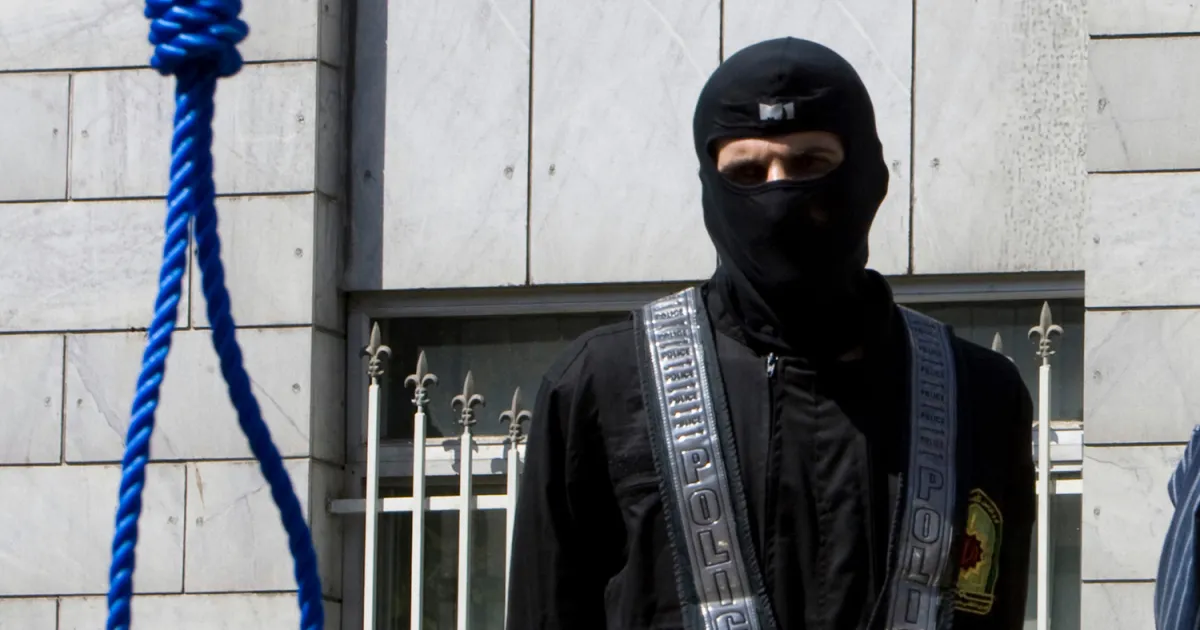
In a dramatic escalation of the shadow conflict between Iran and Israel, three men were executed on June 25, 2025, in Urmia Central Prison, northwest Iran. Identified as Idris Ali, Azad Shojaei, and Rasoul Ahmad Rasoul, these individuals were convicted of collaborating with Israeli forces through Mossad, the Israeli intelligence agency. Iranian authorities allege they smuggled equipment used in an assassination plot, marking a bold move in the country’s ongoing campaign against espionage. This event has thrust global attention back onto the escalating Iran-Israel tensions and the broader Middle East conflict.
UK Tiktok Creation Blueprint with Monetization tips and Coaching – How to create a U.K. tiktok account
The Context of the Executions
The executions occurred at dawn, following a definitive ruling by Iran’s Supreme Court. According to reports from the judiciary-affiliated Mizan news agency, the men faced severe charges under Iranian law, including “waging war against God” and “corruption on earth.” These accusations, commonly used against espionage suspects, carry the death penalty and highlight Iran’s rigorous security measures. Officials claim the trio facilitated the secret transfer of assassination equipment, hidden within an alcoholic beverage shipment, though the identity of the targeted individual remains undisclosed.
This incident fits into a larger crackdown, with Iranian authorities reporting the arrest of over 700 individuals since mid-June 2025 for suspected ties to Israeli forces via Mossad. The move underscores a determined effort to counter foreign interference, especially as tensions with Israel have spiked following recent military and intelligence operations. The timing aligns with a fragile ceasefire, as noted by AP News, which detailed Israel’s advanced use of AI and drones in attacks on Iranian targets earlier this month.
A History of Retaliation and Espionage
The executions of these three men are part of a long-standing spy war escalation between Tehran and Jerusalem. A prominent example is the 2020 assassination of Mohsen Fakhrizadeh, Iran’s chief nuclear scientist, widely attributed to Israeli forces through Mossad. The Washington Post reports this was one of at least 14 targeted killings of Iranian scientists, reflecting Israel’s covert strategy to hinder Iran’s nuclear ambitions. The latest executions may serve as Iran’s retaliatory response, aimed at discouraging further espionage within its borders.
Iran has a track record of executing individuals accused of aiding foreign powers, such as Mohsen Langarneshin in April 2025, as reported by Al Jazeera, who was hanged for assisting Mossad in the killing of an IRGC colonel. These actions reveal a pattern of judicial firmness, often criticized by human rights groups for lacking transparent evidence and fair trials. The current case also raises doubts about the smuggling allegations, as no independent entity has confirmed the claims.
Iran’s Security Measures and Global Implications
Iran’s judiciary has pledged to persist with its espionage crackdown, promising “zero tolerance for treason,” a stance that reflects the nation’s heightened vigilance. The arrest of hundreds in recent weeks, as outlined by BBC News, points to a broad operation to eliminate perceived threats, potentially including dissidents and minorities like the Kurdish community, from which the executed men hailed. This crackdown coincides with reports of Israeli infiltration into Iran’s intelligence networks, with former officials acknowledging significant breaches, as noted in a BBC analysis.
The global impact is profound. The U.S. Department of Homeland Security has issued warnings of an elevated threat level following recent strikes on Iranian nuclear sites, according to The Washington Post. This could trigger increased security measures in Western cities and possible retaliatory actions by Iran, a concern shared by experts like Jon Alterman of the Center for Strategic and International Studies. The fragile ceasefire hangs in the balance, with both sides accusing each other of fueling the Middle East conflict.
What Lies Ahead?
As Iran strengthens its security measures, the international community remains on edge. The lack of independent verification in these cases fuels skepticism about the judicial process, while the executions might provoke further retaliation from Israeli forces. The spy war escalation shows no signs of slowing, with both nations locked in a cycle of covert operations and public accusations.
For those tracking the Iran-Israel tensions, this event serves as a stark reminder of the high stakes at play. Whether it will lead to a wider confrontation or a renewed push for diplomacy remains unclear. As developments unfold, staying informed through reliable sources like AP News, BBC News, The Washington Post, and Al Jazeera will be essential to grasping the evolving dynamics of this complex conflict.
Conclusion
The executions of Idris Ali, Azad Shojaei, and Rasoul Ahmad Rasoul on June 25, 2025, mark a critical juncture in the ongoing espionage crackdown and Iran-Israel tensions. Rooted in a history of targeted killings and counterintelligence efforts, this incident highlights the fragile state of Middle East security. As Iran fortifies its defenses and Israeli forces respond with their own tactics, the world awaits the next chapter in this intricate struggle for power and survival.
Discover more from Daily Media NG
Subscribe to get the latest posts sent to your email.

As of Tuesday, June 24, 2025, a significant development has unfolded in the Middle East. Israeli Prime Minister Benjamin Netanyahu has officially accepted a ceasefire proposal put forward by U.S. President Donald Trump, marking a potential end to a tense 12-day war with Iran. This agreement comes after a series of intense military exchanges that have left both nations and their allies on edge. With the region teetering on the brink of further escalation, this ceasefire offers a glimmer of hope, though its success remains uncertain amid ongoing tensions and mutual accusations of violations.
The Background of the Conflict
The conflict erupted on June 13, 2025, when Israel launched a surprise series of strikes on Iranian soil, targeting what it described as imminent nuclear and ballistic missile threats. Israeli officials, backed by intelligence reports, argued that these preemptive actions were essential to neutralize Iran’s growing military capabilities. Iran, however, has consistently maintained that its nuclear program is peaceful, a stance it has defended for years. The retaliatory strikes from Iran, including a recent missile attack on a U.S. military base in Qatar, escalated the situation, drawing the United States deeper into the fray.
Over the past 12 days, the violence has claimed hundreds of lives, displaced thousands, and tested the resilience of both nations. Israel reported significant damage to Iranian military infrastructure, while Iran highlighted the civilian toll, with reports of casualties mounting on both sides. The involvement of the U.S., particularly through its support for Israel and the attack on the Qatar base, has added a complex layer to an already volatile situation.
The Ceasefire Agreement
The ceasefire, announced by President Trump, is designed to be phased in over 24 hours. According to details shared by Trump and corroborated by Sahara Reporters, Iran is expected to halt its military operations first, followed by Israel 12 hours later. This staged approach aims to ensure a mutual stand-down, with both countries committing to maintain peace and respect during the transition. Netanyahu emphasized that Israel achieved its primary war goals, including disrupting Iran’s nuclear ambitions and asserting control over Tehran’s airspace, making the ceasefire a strategic victory for his administration.
However, the path to peace remains fraught with challenges. Reports from AP News indicate that confusion and skepticism surround the agreement, with Iran’s Foreign Minister suggesting that no formal truce had been finalized until Israel ceased its aggression. This discrepancy highlights the fragile trust between the two nations, a recurring theme in Middle Eastern diplomacy.
Challenges Ahead for the Ceasefire
Even as the ceasefire takes effect, early signs suggest it may face immediate hurdles. News outlets like The Washington Post have noted that both Israel and Iran have accused each other of violating the truce shortly after its announcement. Israel reported intercepting missiles from Iran, while Iran claimed Israel initiated further strikes. This tit-for-tat dynamic echoes historical patterns, where ceasefires in the region often collapse within weeks due to deep-seated mistrust.
The role of the United States as a key mediator will be critical. Trump’s administration has expressed frustration over the continued hostilities, urging both sides to honor the agreement. Yet, the involvement of U.S. forces, particularly after the Qatar incident, could complicate efforts to maintain neutrality and enforce the ceasefire. Analysts from NPR suggest that without sustained international pressure and clear communication channels, the truce may follow the fate of previous failed agreements in the region.
A Historical Perspective
The Israel-Iran rivalry stretches back decades, rooted in ideological differences and proxy conflicts. The Washington Post traces this tension to the 1979 Iranian Revolution, which severed diplomatic ties and set the stage for a shadow war involving cyberattacks, assassinations, and support for opposing militias. The current open conflict, triggered by the 2023 Hamas-led attacks and subsequent Gaza war, represents a sharp escalation. Historical attempts at peace, such as the 2012 UN-brokered ceasefires in Syria, offer a cautionary tale, as many collapsed under the weight of strategic miscalculations and broken trust.
UK Tiktok Creation Blueprint with Monetization tips and Coaching – How to create a U.K. tiktok account
Looking Forward
As Israel and Iran navigate this ceasefire, the international community watches closely. The displacement of over 9,000 Israelis and the reported deaths of hundreds in Iran underscore the human cost of the conflict, pressing the need for a lasting resolution. Netanyahu’s warning of a forceful response to any breach signals Israel’s readiness to defend its interests, while Iran’s conditional stance suggests room for negotiation if hostilities cease.
For now, the ceasefire represents a critical pause in a 12-day war that threatened to engulf the Middle East. Whether it paves the way for enduring peace or merely delays the next confrontation depends on the willingness of both sides to honor their commitments. As the world holds its breath, the coming days will reveal the true strength of this U.S.-brokered truce.
Discover more from Daily Media NG
Subscribe to get the latest posts sent to your email.
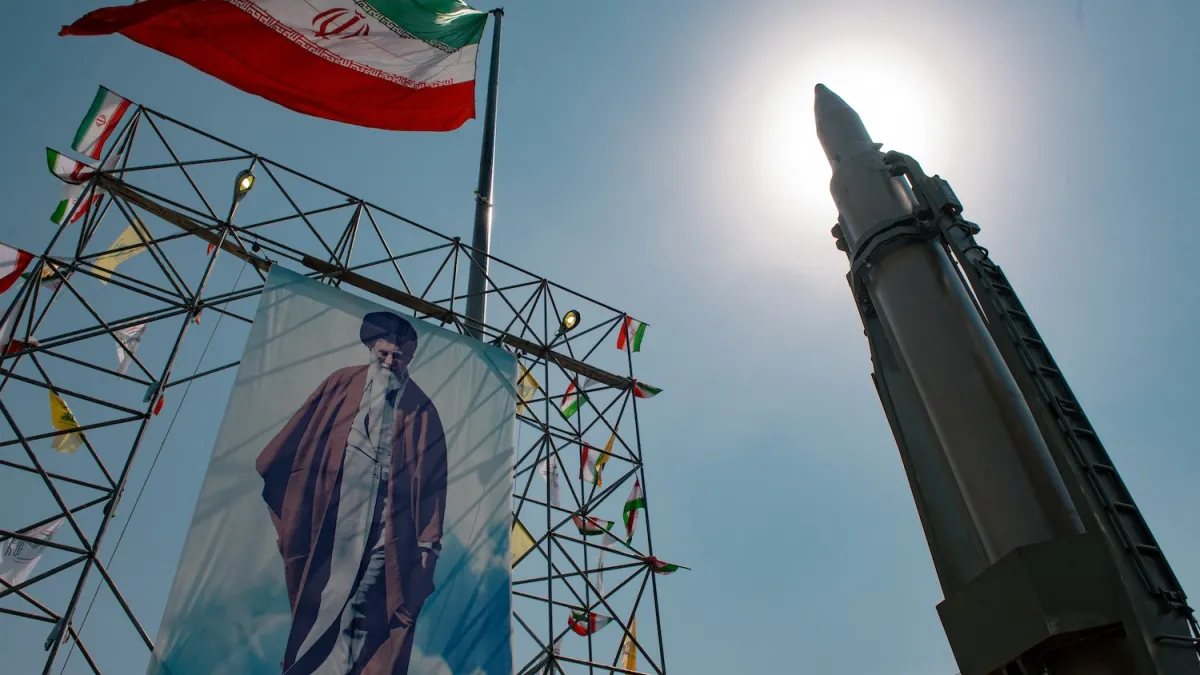
In a dramatic turn of events, Iran has reached out to Russia for assistance following a massive U.S. military strike on its nuclear facilities. The operation, dubbed Midnight Hammer, targeted key sites including Fordo, Natanz, and Isfahan, marking the most significant Western attack on Iranian soil since the 1979 revolution. As tensions escalate in the Middle East, Iran’s decision to send its foreign minister to Moscow underscores the urgency of the situation. This article explores the details of the strike, Iran’s response, and the complex geopolitical dynamics at play, offering a fresh perspective on a rapidly evolving crisis.
UK Tiktok Creation Blueprint with Monetization tips and Coaching – How to create a U.K. tiktok account
The U.S. Strike: Operation Midnight Hammer Unveiled
On June 22, 2025, the United States launched Operation Midnight Hammer, deploying 125 military aircraft, including seven B-2 stealth bombers, to strike Iran’s nuclear infrastructure. U.S. General Dan Caine, chairman of the joint chiefs of staff, confirmed the operation targeted Fordo, Natanz, and Isfahan—facilities central to Iran’s uranium enrichment efforts. The use of powerful bunker-buster bombs highlighted the intensity of the assault, aimed at curbing Iran’s nuclear ambitions amid rising regional tensions.
Satellite imagery and battle damage assessments reveal extensive destruction at these sites, contradicting Iran’s initial claims of minimal impact. The International Atomic Energy Agency had previously noted a 30% increase in Iran’s uranium enrichment capacity by 2024, a development that likely prompted the preemptive U.S. action. This strike represents a bold escalation in the ongoing conflict between Iran and Western powers, particularly the United States and its ally, Israel.
Iran’s Diplomatic Outreach to Russia
In the wake of the attack, Iran wasted no time seeking support from its long-standing partner, Russia. On June 23, 2025, Iran’s Supreme Leader dispatched Foreign Minister Abbas Araqchi to Moscow with a direct message for President Vladimir Putin. The move signals Iran’s hope for stronger backing as it faces heightened threats from the U.S. and Israel. Reports suggest Araqchi carried a letter from the Supreme Leader, appealing for deeper cooperation to counter the growing hostility.
Russia and Iran share a strategic alliance, bolstered by a recent treaty signed in January 2025 focused on improving bilateral ties. However, this partnership does not extend to a formal military commitment, leaving Iran’s expectations uncertain. Russian leaders have historically valued their relationship with Iran, particularly through projects like the Bushehr nuclear reactor, yet Putin’s silence on the U.S. strike suggests a cautious approach. With Russian forces deeply engaged in the ongoing Ukraine conflict, now in its fourth year, Putin appears reluctant to escalate tensions further with the West.
Geopolitical Implications and Russia’s Delicate Balance
The U.S. strike and Iran’s subsequent appeal to Russia have thrust the Kremlin into a challenging position. Russia has long maintained a delicate balance, supporting Iran while preserving its own interests, including a notable population of Russian-speaking Israelis. In 2011, Putin described Israel as “practically a Russian-speaking country,” reflecting a nuanced stance that complicates any potential alignment against it. This historical context adds layers to Russia’s decision-making process as it navigates the current crisis.
Analysts suggest that Russia’s primary focus remains on its war in Ukraine, limiting its capacity to offer substantial aid to Iran. While Putin has condemned recent Israeli airstrikes in the region, his call for restraint indicates a preference for mediation over confrontation. Iran, however, may be pressing for more concrete support, though the form of this assistance remains unclear. The outcome of Araqchi’s meeting with Putin could shape the future of Iran-Russia relations and influence the broader Middle East landscape.
The Road Ahead: Escalation or Diplomacy?
The U.S. strike on Iran’s nuclear facilities has set the stage for potential further escalation. Iran’s parliament recently voted to consider closing the Strait of Hormuz, a critical waterway for global oil shipments, in response to the attacks. Such a move could trigger economic repercussions and complicate U.S. naval operations in the Persian Gulf. Meanwhile, American leaders have warned of severe consequences should Iran proceed, highlighting the high stakes involved.
For Iran, Russia represents a vital ally in its efforts to counter Western pressure. Yet, with Russia’s resources stretched thin and its strategic interests divided, the extent of support remains uncertain. The coming days will reveal whether diplomacy can prevail or if the region is headed toward a deeper conflict. As the world watches, the interplay between these global powers will undoubtedly shape the future of international relations.
Conclusion
The U.S. strike on Iran’s nuclear facilities marks a pivotal moment in Middle East geopolitics, prompting Iran to turn to Russia for support. Operation Midnight Hammer’s impact on Fordo, Natanz, and Isfahan underscores the intensity of the conflict, while Iran’s diplomatic outreach reflects its urgent need for allies. Russia’s response, shaped by its own strategic priorities and historical ties, will play a crucial role in determining the next chapter. As tensions rise, the global community awaits clarity on whether collaboration or confrontation will define the path forward.
Discover more from Daily Media NG
Subscribe to get the latest posts sent to your email.


Business4 months ago
Social Media + Website: How Nigerian Small Businesses Use Both Together to Win More Customers

Education4 months ago
Introducing Modebills: The Ultimate All-in-One School Management Ecosystem

Education4 months ago
Igniting Futures: The ModeCodersClub Story

Business4 months ago
How a Website Helped My Niger Delta Business Attract Corporate Clients in Nigeria

Business5 months ago
Why Nigerian Businesses Are Losing Customers Without a Website — And How to Fix It

Education5 months ago
The Transforming Power of Education: Digital Education Transformation in the Niger Delta and Beyond

Career4 weeks ago
From Oil Fields to Mind Fields: How Digital Skills Initiatives Can Power Nigeria’s Next Economy
Business2 months ago
Digital Skills and Entrepreneurship: The Twin Engines Africa Needs

Business3 months ago
Akara Won’t Build Nigeria’s Future

Entertainment7 years ago
GOTV Customer Care Line, Emails, Whatsapp, Phone numbers, Website

Business6 years ago
How to Start Charcoal Export business in Nigeria

Entertainment7 years ago