
People
How a Nigerian Monarch’s COVID-19 Fraud Led to Asset Forfeiture in the U.S.

Post Links
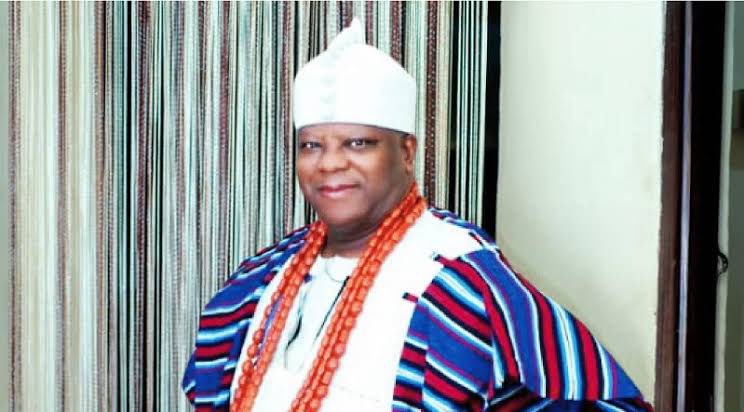
On May 16, 2025, a shocking story broke through Sahara Reporters: Joseph Oloyede, the monarch of Ipetumodu in Osun State, Nigeria, was ordered by a U.S. court to forfeit his assets after being convicted of COVID-19 relief fraud. This case not only highlights the global reach of financial crimes but also underscores the consequences of exploiting emergency relief programs meant to support struggling individuals and businesses during a global crisis. Let’s dive into the details of this case, its implications, and what it means for international justice.
UK Tiktok Creation Blueprint with Monetization tips and Coaching – How to create a U.K. tiktok account

Who Is Joseph Oloyede, the Ipetumodu Monarch?
Joseph Oloyede, known as the Apetu of Ipetumodu, is a traditional ruler in Osun State, Nigeria. As a monarch, he holds a position of cultural significance, often seen as a custodian of heritage and a leader in his community. However, his reputation took a severe hit when reports surfaced earlier in 2025 about his alleged involvement in fraudulent activities in the United States. According to a February 15, 2025, article by Punch Nigeria, Oloyede’s whereabouts had already become a mystery in his hometown, with some residents speculating he was recuperating in the U.S., while others believed he was facing trial for fraud.
Oloyede, who owns a business called Available Tax Services, was later confirmed to be involved in a scheme that exploited COVID-19 relief funds in the U.S. These funds were part of emergency programs rolled out during the pandemic to help small businesses and individuals survive economic hardship. Instead of using the money for its intended purpose, Oloyede allegedly diverted it for personal gain, a crime that ultimately led to his conviction.
The U.S. Court’s Ruling on COVID-19 Relief Fraud
The U.S. court’s decision to order the forfeiture of Joseph Oloyede’s assets marks a significant step in holding individuals accountable for COVID-19 relief fraud. Asset forfeiture, as explained by the U.S. Marshals Service in a 2024 update, is a legal tool used to seize property and funds obtained through criminal activities. This practice began in 1984 with the Comprehensive Crime Control Act, which empowered federal authorities to target economic crimes. In Oloyede’s case, the court determined that the assets he acquired through fraudulent means—specifically by exploiting COVID-19 relief programs—should be forfeited to the government.

The U.S. Department of Justice has been cracking down on fraud related to pandemic relief programs since 2020. Agencies like the FBI, DEA, and the U.S. Marshals Service work together to investigate and prosecute such cases, ensuring that illicit gains are seized. Oloyede’s conviction is a clear message: no one, not even a traditional ruler from another country, is above the law when it comes to financial crimes on U.S. soil.
Reactions from Nigerians on Social Media
The news of Joseph Oloyede’s conviction sparked heated discussions on social media, particularly on X, where users expressed a mix of anger, disappointment, and cynicism. One user, @AdekunleOderind, sarcastically remarked, “Man Proposes, Covid-19 Fraud Disposes,” highlighting the irony of Oloyede’s downfall. Another user, @monnyx49, referenced broader issues of leadership in Nigeria, pointing to other controversial figures and lamenting, “a country where criminals rule.”
Many comments reflected frustration with the recurring theme of Nigerian leaders being involved in criminal activities abroad. @MrJah18327 wrote, “He’ll soon return to Nigeria and contest election. Yaribas are criminals by nature,” a statement that, while controversial, captures the sentiment of disillusionment among some Nigerians. Others, like @Abodimmachi, brought up historical grievances, accusing Yoruba leaders of systemic wrongdoing, though these claims are more reflective of personal biases than verified facts.
The Impact on Ipetumodu and Beyond
Back in Ipetumodu, the absence of Joseph Oloyede has already caused ripples in the community. According to the Punch Nigeria report from February 2025, residents and chiefs were left in the dark about their monarch’s whereabouts, with some claiming his wife had been acting as a regent in his absence. The lack of transparency led to growing unrest, with community members demanding answers from local leaders.
Oloyede’s conviction now raises questions about his future as a monarch. In many Nigerian communities, traditional rulers are expected to uphold moral integrity, and a criminal conviction—especially one involving fraud—could lead to calls for his removal. Additionally, this case may prompt the Osun State government, led by Governor Ademola Adeleke, to intervene and address the leadership vacuum in Ipetumodu.
On a broader scale, this incident highlights the challenges of tackling international financial crimes. COVID-19 relief fraud has been a global issue, with many individuals exploiting the chaos of the pandemic to siphon funds meant for the vulnerable. The U.S. Department of Justice’s efforts to prosecute such cases demonstrate the importance of cross-border cooperation in combating fraud.
What Can We Learn from This Case?
The conviction of Joseph Oloyede for COVID-19 relief fraud serves as a cautionary tale for those tempted to exploit emergency relief programs. It also underscores the importance of accountability, regardless of one’s status or position. Traditional rulers like Oloyede are often seen as symbols of honor, but this case reminds us that no one is immune to the consequences of criminal behavior.
For individuals and businesses, this case is a reminder to use relief funds responsibly. For governments and agencies distributing such funds, it highlights the need for stricter oversight to prevent fraud. The U.S. Marshals Service and the Department of Justice have shown that they are committed to pursuing justice, even in cases involving international figures like Oloyede.
Conclusion: A Wake-Up Call for Accountability
Joseph Oloyede’s journey from a respected monarch in Ipetumodu to a convicted fraudster in the U.S. is a stark reminder of the consequences of financial misconduct. His conviction for COVID-19 relief fraud and the subsequent forfeiture of his assets should serve as a wake-up call for leaders everywhere: integrity matters, and justice will prevail, no matter where you are in the world.
As this story continues to unfold, it will be interesting to see how Ipetumodu and the broader Nigerian community respond to this scandal. Will Oloyede face further repercussions at home? Will this case lead to greater scrutiny of traditional leaders in Nigeria? Only time will tell, but one thing is clear: the fight against COVID-19 relief fraud is far from over.
Discover more from Daily Media NG
Subscribe to get the latest posts sent to your email.

People
Breaking News: Youths Burn NDLEA Office and Storm Emir’s Palace in Kwara Over Rising Insecurity

In a dramatic escalation of frustration, youths in Lafiagi, a town in Kwara State, Nigeria, have taken to the streets, burning down the National Drug Law Enforcement Agency (NDLEA) office and invading the Emir’s palace. This unrest, unfolding on Monday, June 30, 2025, stems from growing anger over rampant abductions and a perceived lack of action from local authorities. The incident highlights a deepening crisis of insecurity that has gripped the region, with recent reports pointing to the kidnapping of a popular Point of Sale (POS) agent and other residents. As communities reel from these events, the question arises: what has driven this outburst, and what does it mean for the future of Kwara State?
The Spark Behind the Protests
The trouble began with the abduction of a well-known POS agent, identified as Yman, who was taken from Lafiagi town on Sunday night. Just hours later, two Hausa men were seized during a violent raid on the nearby Kokodo village. These incidents, part of a wave of kidnappings reported over the past weeks, have left families in despair and communities on edge. According to details shared by SaharaReporters, the enraged youths, tired of government silence, stormed the streets early Monday morning, demanding an end to the bloodshed and abductions.
Videos and photos circulating online show the extent of the damage, with the NDLEA office reduced to ashes and parts of the Emir’s palace vandalized. A resident spoke to SaharaReporters, voicing the collective frustration: people no longer sleep soundly, and despite repeated pleas, neither the governor nor local leaders have provided tangible solutions. This bottled-up anger, fueled by a series of terrorist attacks, has now boiled over into public protest.
A Region Under Siege
Kwara State, once seen as a relatively peaceful part of northern Nigeria, has recently become a hotspot for insecurity. The abductions in Lafiagi are not isolated incidents but part of a broader trend. Data from the Nigerian Watch database reveals a staggering 35 percent increase in kidnapping cases across northern Nigeria over the past year, with Kwara experiencing a noticeable uptick. The involvement of suspected Fulani bandits, who reportedly used motorcycles and superior firepower to overpower local vigilantes, adds to the complexity of the situation.
The kidnapping of a prominent agro-chemical dealer, Alhaji Chemical, just a day before the protests, further underscores the boldness of these attacks. Eyewitnesses described how heavily armed men stormed his residence in the Taiwo area, leaving the community in shock. With many victims still in captivity and families forced to pay hefty ransoms, the sense of helplessness is palpable.
The Role of Local Leadership
The invasion of the Emir’s palace signals a breakdown in trust between the community and its traditional rulers. The Emirate of Lafiagi, under new leadership since 2021, had aimed to foster development and attract investment, as noted in a detailed analysis by PRNigeria. However, the current wave of insecurity threatens to undo these efforts. Residents’ complaints suggest that neither the Emir nor local government officials have effectively addressed the rising tide of violence, leaving youths to take matters into their own hands.
This unrest also raises questions about the effectiveness of security agencies like the NDLEA. The agency, which recently celebrated progress in combating drug abuse in Kwara (as reported by AIT Live), now finds its office targeted, reflecting public disillusionment with its broader role in maintaining safety.
The Wider Context of Insecurity
The situation in Kwara mirrors a troubling pattern across Nigeria’s northern states. Neighboring regions like Niger and Kogi have reported significant loss of life due to armed gangs, as highlighted in a 2022 Guardian Nigeria article. The spread of insecurity, likened to a cancer that requires swift action, has now reached Kwara, with historical precedents like the 2014 Chibok schoolgirls kidnapping (detailed on Wikipedia) serving as a stark reminder of the challenges ahead. The recurring theme of banditry and abductions, often mischaracterized as isolated incidents, points to a deeper systemic issue that demands urgent attention.
Looking Ahead: What is Next for Kwara?
As the dust settles in Lafiagi, the focus shifts to how authorities will respond. The involvement of vigilantes and security operatives in rescue efforts offers a glimmer of hope, but without a coordinated strategy, the cycle of violence may continue. The protests serve as a wake-up call for the Kwara State government and national leaders to prioritize security and rebuild community trust.
UK Tiktok Creation Blueprint with Monetization tips and Coaching – How to create a U.K. tiktok account
For now, the people of Lafiagi wait anxiously, hoping for the safe return of their loved ones and an end to the terror that has disrupted their lives. The burning of the NDLEA office and the storming of the Emir’s palace may be just the beginning unless decisive action is taken.
Conclusion
The events in Kwara State on June 30, 2025, paint a troubling picture of a community pushed to its limits by rising insecurity. The abduction of residents, the destruction of public property, and the targeting of traditional leadership reflect a society in crisis. As Nigeria grapples with these challenges, the international community and local stakeholders must work together to address the root causes and restore peace. The future of Lafiagi and indeed Kwara State hangs in the balance.
Discover more from Daily Media NG
Subscribe to get the latest posts sent to your email.

On June 23, 2025, a significant event unfolded in Taraba State, Nigeria, as the Nigerian Army brokered a peace accord between the Fulani and Tiv communities. Held at the 6 Brigade Headquarters in Jalingo, this initiative marks a shift toward non-kinetic conflict resolution, prioritizing dialogue over military force. With a history of ethnic clashes claiming hundreds of lives, this peace accord offers hope for lasting harmony in a region long plagued by violence. This article explores the details of this groundbreaking agreement, its implications, and the challenges ahead for sustainable peace in Taraba State.
The Background of Fulani-Tiv Conflict
The Fulani and Tiv communities in Taraba State have endured decades of tension, rooted in disputes over land, cattle grazing routes, and cultural differences. According to the Uppsala Conflict Data Program, over 200 conflict-related deaths have been recorded in Taraba since 2010, highlighting the severity of these clashes. Historically, such conflicts have been met with military interventions, often escalating rather than resolving the issues. The recent peace accord, facilitated by Brigadier General Kingsley Chidiebere Uwa of the 6 Brigade, represents a bold departure from this approach, focusing instead on bringing community leaders together to negotiate a truce.
This event took place against a backdrop of rising tensions, with longstanding disputes threatening to erupt into further violence. The involvement of local government officials, traditional rulers, and security representatives underscores the collaborative effort to address these deep-seated issues.
Details of the Peace Accord
The peace dialogue, convened on Monday, June 23, 2025, brought together key stakeholders, including the Chairman of Gassol Local Government Area, Hon. Abubakar Usman, and community elders. Brigadier General Uwa emphasized the importance of peace, stating that no society can thrive without it. He urged the communities to support security agencies with actionable intelligence and to avoid taking justice into their own hands, reinforcing the state’s constitutional authority.
After hours of discussion, the Fulani and Tiv representatives agreed to:
- Maintain open communication
- Refrain from shielding criminal elements
- Work with authorities to prevent future conflicts
The meeting culminated in the formal signing of the peace accord, a symbolic step toward rebuilding trust. Hon. Usman praised the Nigerian Army’s dedication, calling the initiative a vital turning point for Gassol Local Government Area.
The Non-Kinetic Approach: A New Strategy
The Nigerian Army’s adoption of a non-kinetic strategy relies on dialogue and community engagement rather than military action. This aligns with broader trends in African peacebuilding. The African Union’s African Peace and Security Architecture, established in 2002, promotes such methods to address continental security challenges. This approach contrasts with past interventions, such as the 2019 Zamfara peace pact, which failed due to lack of local government support and enforcement.
By focusing on reconciliation, the Taraba peace accord mirrors traditional conflict resolution methods, like those used in the Kom community of Cameroon, where emphasis is placed on restoring social harmony rather than punishment. However, this strategy raises questions about accountability, as no specific measures were outlined to address past perpetrators, a critical factor in ensuring long-term success.
Challenges and Prospects for Peace
While the peace accord is a promising development, its success hinges on several factors:
- Historical Precedents: Past agreements have often broken down, suggesting that sustained commitment from both communities and enforcement by authorities will be essential.
- Lack of a Clear Justice Mechanism: This could undermine trust, particularly among victims seeking redress for past losses.
On the positive side, the involvement of local leaders and the army’s ongoing support offer a strong foundation. The initiative’s timing, amid heightened tensions, indicates a proactive effort to prevent further escalation. If supported by economic development and community programs, this accord could pave the way for a more stable Taraba State.
UK Tiktok Creation Blueprint with Monetization tips and Coaching – How to create a U.K. tiktok account
Conclusion
The peace accord between the Fulani and Tiv communities in Taraba State marks a historic moment in Nigeria’s approach to ethnic conflicts. Facilitated by the Nigerian Army’s 6 Brigade, this non-kinetic strategy highlights the power of dialogue in resolving deep-rooted disputes. While challenges remain, particularly around justice and enforcement, the commitment of local leaders and the military provides a glimmer of hope. As Taraba moves forward, the success of this peace accord could serve as a model for other conflict zones across Nigeria and beyond.
Discover more from Daily Media NG
Subscribe to get the latest posts sent to your email.

The Nigerian Police Force, a critical pillar of the nation’s security with over 300,000 personnel, is on the brink of a historic move. Officers have issued a bold ultimatum to the government, threatening a nationwide strike if their demands for pension reform are not met by the end of July 2025. At the heart of this unrest is dissatisfaction with the Contributory Pension Scheme (CPS), introduced in 2004, which officers describe as inadequate.
They are pushing for a switch to the Defined Benefits Scheme, a model already in place for the military and agencies like the Economic and Financial Crimes Commission (EFCC). As the deadline approaches, the potential for a nationwide strike looms large, raising concerns about its impact on national security and the broader economy.
UK Tiktok Creation Blueprint with Monetization tips and Coaching – How to create a U.K. tiktok account
The Root of the Discontent: The Contributory Pension Scheme
The Contributory Pension Scheme, established under the 2004 Pension Reform Act, replaced the older Defined Benefits Scheme. Under this system, both employers and employees contribute to a Retirement Savings Account managed by private Pension Fund Administrators.
The goal was to create a more sustainable pension framework. However, many Nigerian Police officers argue that it leaves them financially vulnerable after retirement. Unlike the Defined Benefits Scheme, which guarantees a fixed pension based on years of service and salary, the CPS depends on market performance and contributions, offering less predictability.
Efforts to address these concerns gained traction in 2022 and 2023, with legislative proposals aiming to exempt the police from the CPS. Despite this momentum, no substantial changes have been implemented. The frustration has now boiled over, with officers publicly calling for urgent action from President Tinubu’s administration.
Economic Pressures Fueling the Crisis
The timing of this nationwide strike threat coincides with ongoing economic challenges in Nigeria. The removal of the fuel subsidy in 2023, a decision made under President Tinubu’s leadership, aimed to redirect savings into other sectors. However, reports suggest that these funds have not been effectively channeled into social programs or welfare support for public servants, including the police. This economic strain has likely amplified the officers’ grievances, as rising living costs make the current pension scheme even less viable.
Without clear data on how the subsidy savings have been allocated, the government faces growing pressure to address the financial insecurities faced by its security forces. The Nigerian Police, already stretched thin by rising insecurity across various regions, now find themselves at a crossroads, balancing their duty to protect the nation with their own economic survival.
A Potential Security Crisis on the Horizon
A nationwide strike by the Nigerian Police could have far-reaching consequences. With over 300,000 personnel, the force is the largest security agency in the country, playing a vital role in maintaining order amid increasing regional instability. A shutdown of police operations, as threatened, could exacerbate existing security challenges, leaving communities vulnerable.
The officers’ ultimatum includes a stark warning: any colleague found working during the potential strike, set to begin on August 1, 2025, may face severe repercussions. This escalation underscores the depth of their frustration and the seriousness of their intent. As of now, neither the presidency nor the Ministry of Police Affairs has issued an official response, leaving the situation unresolved as the July deadline draws closer.
What Lies Ahead for Pension Reform and National Stability
The Nigerian Police’s demand for a shift to the Defined Benefits Scheme reflects a broader call for fairness and security in retirement planning. This issue extends beyond the police, potentially influencing other public sector workers under the CPS. For the Tinubu administration, addressing this crisis requires more than just promises—it demands actionable pension reform and transparent economic policies.
As tension builds within police ranks, the coming weeks will be critical. Will the government act to avert a nationwide strike and safeguard national security? Or will inaction lead to a breakdown in law enforcement that could destabilize the nation? The outcome of this standoff will shape the future of Nigeria’s security forces and the welfare of its officers for years to come.
For now, all eyes are on Abuja, where decisions made—or delayed—could determine whether the Nigerian Police remain a force for stability or a trigger for chaos.
Discover more from Daily Media NG
Subscribe to get the latest posts sent to your email.


Business4 months ago
Social Media + Website: How Nigerian Small Businesses Use Both Together to Win More Customers

Education4 months ago
Introducing Modebills: The Ultimate All-in-One School Management Ecosystem

Education4 months ago
Igniting Futures: The ModeCodersClub Story

Business4 months ago
How a Website Helped My Niger Delta Business Attract Corporate Clients in Nigeria

Business5 months ago
Why Nigerian Businesses Are Losing Customers Without a Website — And How to Fix It

Education5 months ago
The Transforming Power of Education: Digital Education Transformation in the Niger Delta and Beyond

Career4 weeks ago
From Oil Fields to Mind Fields: How Digital Skills Initiatives Can Power Nigeria’s Next Economy
Business2 months ago
Digital Skills and Entrepreneurship: The Twin Engines Africa Needs

Business3 months ago
Akara Won’t Build Nigeria’s Future

Entertainment7 years ago
GOTV Customer Care Line, Emails, Whatsapp, Phone numbers, Website

Business6 years ago
How to Start Charcoal Export business in Nigeria

Entertainment7 years ago