
People
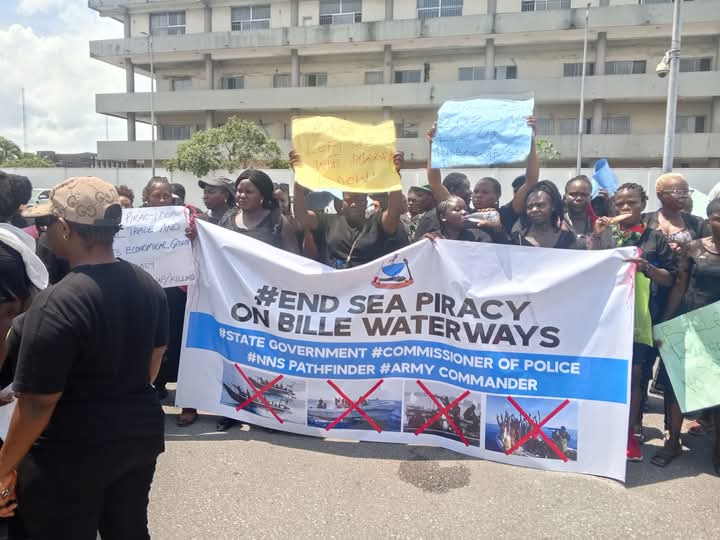
Women Protest in Port Harcourt: Demanding Justice for Abducted Students and Safer Waterways

Post Links
A Cry for Justice in Port Harcourt
On May 6, 2025, the serene waterways connecting Port Harcourt to Bille in Rivers State turned into a scene of terror when suspected sea pirates abducted 13 passengers, including eight students traveling to write their West African Senior School Certificate Examination (WASSCE). This shocking incident sparked outrage, leading women from the Bille community in Degema Local Government Area to stage a powerful protest at the Rivers State Government House in Port Harcourt.
Their demands were clear: the immediate release of the abducted students and enhanced security along the waterways. Let’s delve into the details of the abduction incident, the women’s protest, and the far-reaching implications for the young students and their families. We also explore the broader context of insecurity in Rivers State and what must be done to prevent such tragedies.

The Abduction Incident: A Tragic Disruption
On May 6, 2025, a speedboat carrying 13 passengers, including eight students, was intercepted by heavily armed sea pirates along the Port Harcourt-Bille waterways. The students were en route to their examination center to sit for the WASSCE, a critical academic milestone for secondary school students in Nigeria. The pirates, notorious for their ruthless operations in the region, diverted the boat into the creeks, abducting all passengers and hijacking three boats carrying goods worth millions of naira. Reports from the protesters allege that the pirates also subjected some female passengers to sexual assault, compounding the trauma of the incident.
The abducted students, whose identities have not been publicly disclosed, remain in captivity over a week later, with no clear communication from the kidnappers regarding ransom demands or release conditions. The women’s protest in Port Harcourt was a direct response to this crisis, highlighting the urgency of rescuing the students and addressing the growing menace of sea piracy in Rivers State.
The Women’s Protest in Port Harcourt: A Unified Stand
On May 13, 2025, women from the Bille community, under the aegis of Concerned People of Bille Kingdom, took to the streets of Port Harcourt to demand action. Dressed in black to symbolize their grief and resolve, the protesters marched first to the Rivers State Police Headquarters along Moscow Road before proceeding to the Government House along Azikiwe Road. Carrying placards with inscriptions such as “Release Our Children” and “Secure Our Waterways,” they voiced their frustration over the government’s perceived inaction.
One of the protest leaders, Janet Adebayo, delivered a passionate address to a Government House official, emphasizing the pain of the affected families: “On 6th May 2025, along the Port Harcourt-Bille Waterways, a speedboat carrying 13 passengers was intercepted by heavily armed pirates who diverted them into the creeks. Our children, who were going to write their WASSCE, are still in captivity.” Another protester, Blessing Alale, shared a personal story of her mother’s abduction, for which a N30 million ransom was paid, underscoring the recurring nightmare of kidnappings in the region.
UK Tiktok Creation Blueprint with Monetization tips and Coaching – How to create a U.K. tiktok account

The women’s protest in Port Harcourt was not just a call for the release of the abducted students but also a broader demand for improved security measures to protect vulnerable communities relying on waterways for transportation. Their actions brought national attention to the plight of the Bille community and the systemic challenges of insecurity in Rivers State.
Implications for the Abducted Students
The abduction of students traveling for the WASSCE examination has profound implications, both immediate and long-term, for the victims, their families, and the education system in Nigeria.
- Missed Academic Opportunities: The WASSCE is a gateway to higher education and career opportunities for Nigerian students. The abducted students have already missed critical examination papers, jeopardizing their academic progress. As Blessing Alale noted during the protest, “The students among those abducted have already missed their exams.” This disruption could delay their graduation, affect their admission prospects, and create a ripple effect on their future aspirations.
- Psychological Trauma: Being held captive by armed pirates, especially in the harsh conditions of the creeks, is a traumatic experience for young students. The reported sexual assault of some female passengers adds another layer of psychological harm. Without proper counseling and support, these students may struggle with post-traumatic stress disorder (PTSD), anxiety, and fear, impacting their mental health and academic performance even after release.
- Erosion of Trust in Safety: The abduction incident undermines confidence in the safety of transportation routes, particularly the waterways that many rural communities in Rivers State depend on. Students and parents may become reluctant to travel for examinations or other essential activities, leading to reduced school attendance and participation in academic programs.
- Economic Burden on Families: Kidnappings in Nigeria often involve hefty ransom demands, as evidenced by Alale’s account of paying N30 million for her mother’s release. The families of the abducted students face immense financial pressure, which could push them into debt or poverty, especially in a community like Bille, where many rely on small-scale trading and fishing.
- Wider Impact on Education: The incident highlights the vulnerability of students in conflict-prone regions, raising questions about the government’s ability to protect educational institutions and examination processes. If such abductions become normalized, they could deter students from pursuing education, particularly in rural areas, exacerbating Nigeria’s already high out-of-school children population.
The Broader Context: Insecurity in Rivers State
The abduction of students is part of a larger pattern of insecurity in Rivers State, where sea piracy, kidnapping, and other criminal activities have surged in recent years. The waterways, a vital transportation network for coastal communities, have become a hotspot for pirate attacks, with criminals exploiting the lack of adequate security patrols. The women’s protest in Port Harcourt is one of several demonstrations in the state over the past year, reflecting growing public frustration with the government’s response to security challenges.
For instance, in April 2025, women protested in Port Harcourt over political issues, including the suspension of Governor Siminalayi Fubara and the imposition of emergency rule. These protests, while unrelated to the abduction, underscore a recurring theme of citizens taking to the streets to demand accountability and solutions to systemic problems. The abduction of students for the WASSCE examination adds a new dimension to this crisis, highlighting the intersection of insecurity and education.
What Needs to Be Done: Solutions for Student Safety in Nigeria
The women’s protest in Port Harcourt has amplified the urgency of addressing the abduction of students and preventing future incidents. Here are actionable steps that stakeholders can take to enhance student safety in Nigeria:
- Strengthen Waterway Security: The Rivers State government, in collaboration with the Nigerian Navy and Marine Police, must increase patrols and surveillance along the Port Harcourt-Bille waterways. Installing tracking systems on boats and establishing rapid-response units could deter pirate attacks.
- Rescue and Support for Victims: The government and security agencies must prioritize the safe rescue of the abducted students and provide immediate psychological and medical support upon their release. Compensation or alternative examination arrangements should be made to mitigate the academic impact.
- Community Engagement: Engaging local communities like Bille in security planning can help identify piracy hotspots and develop grassroots solutions. Community vigilante groups, when properly trained and regulated, can complement formal security efforts.
- Policy Reforms: The federal and state governments should implement policies to protect students during examination periods, such as providing secure transportation or decentralized examination centers to reduce travel risks.
- Public Awareness Campaigns: Raising awareness about the dangers of unsecured waterways and the importance of reporting suspicious activities can empower communities to take proactive measures.
Conclusion: A Call to Action
The women’s protest in Port Harcourt over the abduction of eight students traveling for the WASSCE examination is a powerful reminder of the resilience and determination of Nigerian mothers fighting for their children’s future. The incident exposes the harsh realities of insecurity in Rivers State and its devastating impact on young students striving for academic success. As the nation rallies behind the Bille community, it is imperative for the government, security agencies, and civil society to act swiftly to secure the release of the abducted students and implement lasting solutions to ensure student safety in Nigeria.
The abduction of students is not just a local tragedy but a national crisis that demands collective action. By addressing the root causes of insecurity and prioritizing education, Nigeria can create a safer environment for its youth to thrive. Let the voices of the women of Port Harcourt inspire change, ensuring that no student’s dreams are derailed by the threat of violence.
Discover more from Daily Media NG
Subscribe to get the latest posts sent to your email.



People
Breaking News: Youths Burn NDLEA Office and Storm Emir’s Palace in Kwara Over Rising Insecurity

In a dramatic escalation of frustration, youths in Lafiagi, a town in Kwara State, Nigeria, have taken to the streets, burning down the National Drug Law Enforcement Agency (NDLEA) office and invading the Emir’s palace. This unrest, unfolding on Monday, June 30, 2025, stems from growing anger over rampant abductions and a perceived lack of action from local authorities. The incident highlights a deepening crisis of insecurity that has gripped the region, with recent reports pointing to the kidnapping of a popular Point of Sale (POS) agent and other residents. As communities reel from these events, the question arises: what has driven this outburst, and what does it mean for the future of Kwara State?
The Spark Behind the Protests
The trouble began with the abduction of a well-known POS agent, identified as Yman, who was taken from Lafiagi town on Sunday night. Just hours later, two Hausa men were seized during a violent raid on the nearby Kokodo village. These incidents, part of a wave of kidnappings reported over the past weeks, have left families in despair and communities on edge. According to details shared by SaharaReporters, the enraged youths, tired of government silence, stormed the streets early Monday morning, demanding an end to the bloodshed and abductions.
Videos and photos circulating online show the extent of the damage, with the NDLEA office reduced to ashes and parts of the Emir’s palace vandalized. A resident spoke to SaharaReporters, voicing the collective frustration: people no longer sleep soundly, and despite repeated pleas, neither the governor nor local leaders have provided tangible solutions. This bottled-up anger, fueled by a series of terrorist attacks, has now boiled over into public protest.
A Region Under Siege
Kwara State, once seen as a relatively peaceful part of northern Nigeria, has recently become a hotspot for insecurity. The abductions in Lafiagi are not isolated incidents but part of a broader trend. Data from the Nigerian Watch database reveals a staggering 35 percent increase in kidnapping cases across northern Nigeria over the past year, with Kwara experiencing a noticeable uptick. The involvement of suspected Fulani bandits, who reportedly used motorcycles and superior firepower to overpower local vigilantes, adds to the complexity of the situation.
The kidnapping of a prominent agro-chemical dealer, Alhaji Chemical, just a day before the protests, further underscores the boldness of these attacks. Eyewitnesses described how heavily armed men stormed his residence in the Taiwo area, leaving the community in shock. With many victims still in captivity and families forced to pay hefty ransoms, the sense of helplessness is palpable.
The Role of Local Leadership
The invasion of the Emir’s palace signals a breakdown in trust between the community and its traditional rulers. The Emirate of Lafiagi, under new leadership since 2021, had aimed to foster development and attract investment, as noted in a detailed analysis by PRNigeria. However, the current wave of insecurity threatens to undo these efforts. Residents’ complaints suggest that neither the Emir nor local government officials have effectively addressed the rising tide of violence, leaving youths to take matters into their own hands.
This unrest also raises questions about the effectiveness of security agencies like the NDLEA. The agency, which recently celebrated progress in combating drug abuse in Kwara (as reported by AIT Live), now finds its office targeted, reflecting public disillusionment with its broader role in maintaining safety.
The Wider Context of Insecurity
The situation in Kwara mirrors a troubling pattern across Nigeria’s northern states. Neighboring regions like Niger and Kogi have reported significant loss of life due to armed gangs, as highlighted in a 2022 Guardian Nigeria article. The spread of insecurity, likened to a cancer that requires swift action, has now reached Kwara, with historical precedents like the 2014 Chibok schoolgirls kidnapping (detailed on Wikipedia) serving as a stark reminder of the challenges ahead. The recurring theme of banditry and abductions, often mischaracterized as isolated incidents, points to a deeper systemic issue that demands urgent attention.
Looking Ahead: What is Next for Kwara?
As the dust settles in Lafiagi, the focus shifts to how authorities will respond. The involvement of vigilantes and security operatives in rescue efforts offers a glimmer of hope, but without a coordinated strategy, the cycle of violence may continue. The protests serve as a wake-up call for the Kwara State government and national leaders to prioritize security and rebuild community trust.
UK Tiktok Creation Blueprint with Monetization tips and Coaching – How to create a U.K. tiktok account
For now, the people of Lafiagi wait anxiously, hoping for the safe return of their loved ones and an end to the terror that has disrupted their lives. The burning of the NDLEA office and the storming of the Emir’s palace may be just the beginning unless decisive action is taken.
Conclusion
The events in Kwara State on June 30, 2025, paint a troubling picture of a community pushed to its limits by rising insecurity. The abduction of residents, the destruction of public property, and the targeting of traditional leadership reflect a society in crisis. As Nigeria grapples with these challenges, the international community and local stakeholders must work together to address the root causes and restore peace. The future of Lafiagi and indeed Kwara State hangs in the balance.
Discover more from Daily Media NG
Subscribe to get the latest posts sent to your email.

On June 23, 2025, a significant event unfolded in Taraba State, Nigeria, as the Nigerian Army brokered a peace accord between the Fulani and Tiv communities. Held at the 6 Brigade Headquarters in Jalingo, this initiative marks a shift toward non-kinetic conflict resolution, prioritizing dialogue over military force. With a history of ethnic clashes claiming hundreds of lives, this peace accord offers hope for lasting harmony in a region long plagued by violence. This article explores the details of this groundbreaking agreement, its implications, and the challenges ahead for sustainable peace in Taraba State.
The Background of Fulani-Tiv Conflict
The Fulani and Tiv communities in Taraba State have endured decades of tension, rooted in disputes over land, cattle grazing routes, and cultural differences. According to the Uppsala Conflict Data Program, over 200 conflict-related deaths have been recorded in Taraba since 2010, highlighting the severity of these clashes. Historically, such conflicts have been met with military interventions, often escalating rather than resolving the issues. The recent peace accord, facilitated by Brigadier General Kingsley Chidiebere Uwa of the 6 Brigade, represents a bold departure from this approach, focusing instead on bringing community leaders together to negotiate a truce.
This event took place against a backdrop of rising tensions, with longstanding disputes threatening to erupt into further violence. The involvement of local government officials, traditional rulers, and security representatives underscores the collaborative effort to address these deep-seated issues.
Details of the Peace Accord
The peace dialogue, convened on Monday, June 23, 2025, brought together key stakeholders, including the Chairman of Gassol Local Government Area, Hon. Abubakar Usman, and community elders. Brigadier General Uwa emphasized the importance of peace, stating that no society can thrive without it. He urged the communities to support security agencies with actionable intelligence and to avoid taking justice into their own hands, reinforcing the state’s constitutional authority.
After hours of discussion, the Fulani and Tiv representatives agreed to:
- Maintain open communication
- Refrain from shielding criminal elements
- Work with authorities to prevent future conflicts
The meeting culminated in the formal signing of the peace accord, a symbolic step toward rebuilding trust. Hon. Usman praised the Nigerian Army’s dedication, calling the initiative a vital turning point for Gassol Local Government Area.
The Non-Kinetic Approach: A New Strategy
The Nigerian Army’s adoption of a non-kinetic strategy relies on dialogue and community engagement rather than military action. This aligns with broader trends in African peacebuilding. The African Union’s African Peace and Security Architecture, established in 2002, promotes such methods to address continental security challenges. This approach contrasts with past interventions, such as the 2019 Zamfara peace pact, which failed due to lack of local government support and enforcement.
By focusing on reconciliation, the Taraba peace accord mirrors traditional conflict resolution methods, like those used in the Kom community of Cameroon, where emphasis is placed on restoring social harmony rather than punishment. However, this strategy raises questions about accountability, as no specific measures were outlined to address past perpetrators, a critical factor in ensuring long-term success.
Challenges and Prospects for Peace
While the peace accord is a promising development, its success hinges on several factors:
- Historical Precedents: Past agreements have often broken down, suggesting that sustained commitment from both communities and enforcement by authorities will be essential.
- Lack of a Clear Justice Mechanism: This could undermine trust, particularly among victims seeking redress for past losses.
On the positive side, the involvement of local leaders and the army’s ongoing support offer a strong foundation. The initiative’s timing, amid heightened tensions, indicates a proactive effort to prevent further escalation. If supported by economic development and community programs, this accord could pave the way for a more stable Taraba State.
UK Tiktok Creation Blueprint with Monetization tips and Coaching – How to create a U.K. tiktok account
Conclusion
The peace accord between the Fulani and Tiv communities in Taraba State marks a historic moment in Nigeria’s approach to ethnic conflicts. Facilitated by the Nigerian Army’s 6 Brigade, this non-kinetic strategy highlights the power of dialogue in resolving deep-rooted disputes. While challenges remain, particularly around justice and enforcement, the commitment of local leaders and the military provides a glimmer of hope. As Taraba moves forward, the success of this peace accord could serve as a model for other conflict zones across Nigeria and beyond.
Discover more from Daily Media NG
Subscribe to get the latest posts sent to your email.

The Nigerian Police Force, a critical pillar of the nation’s security with over 300,000 personnel, is on the brink of a historic move. Officers have issued a bold ultimatum to the government, threatening a nationwide strike if their demands for pension reform are not met by the end of July 2025. At the heart of this unrest is dissatisfaction with the Contributory Pension Scheme (CPS), introduced in 2004, which officers describe as inadequate.
They are pushing for a switch to the Defined Benefits Scheme, a model already in place for the military and agencies like the Economic and Financial Crimes Commission (EFCC). As the deadline approaches, the potential for a nationwide strike looms large, raising concerns about its impact on national security and the broader economy.
UK Tiktok Creation Blueprint with Monetization tips and Coaching – How to create a U.K. tiktok account
The Root of the Discontent: The Contributory Pension Scheme
The Contributory Pension Scheme, established under the 2004 Pension Reform Act, replaced the older Defined Benefits Scheme. Under this system, both employers and employees contribute to a Retirement Savings Account managed by private Pension Fund Administrators.
The goal was to create a more sustainable pension framework. However, many Nigerian Police officers argue that it leaves them financially vulnerable after retirement. Unlike the Defined Benefits Scheme, which guarantees a fixed pension based on years of service and salary, the CPS depends on market performance and contributions, offering less predictability.
Efforts to address these concerns gained traction in 2022 and 2023, with legislative proposals aiming to exempt the police from the CPS. Despite this momentum, no substantial changes have been implemented. The frustration has now boiled over, with officers publicly calling for urgent action from President Tinubu’s administration.
Economic Pressures Fueling the Crisis
The timing of this nationwide strike threat coincides with ongoing economic challenges in Nigeria. The removal of the fuel subsidy in 2023, a decision made under President Tinubu’s leadership, aimed to redirect savings into other sectors. However, reports suggest that these funds have not been effectively channeled into social programs or welfare support for public servants, including the police. This economic strain has likely amplified the officers’ grievances, as rising living costs make the current pension scheme even less viable.
Without clear data on how the subsidy savings have been allocated, the government faces growing pressure to address the financial insecurities faced by its security forces. The Nigerian Police, already stretched thin by rising insecurity across various regions, now find themselves at a crossroads, balancing their duty to protect the nation with their own economic survival.
A Potential Security Crisis on the Horizon
A nationwide strike by the Nigerian Police could have far-reaching consequences. With over 300,000 personnel, the force is the largest security agency in the country, playing a vital role in maintaining order amid increasing regional instability. A shutdown of police operations, as threatened, could exacerbate existing security challenges, leaving communities vulnerable.
The officers’ ultimatum includes a stark warning: any colleague found working during the potential strike, set to begin on August 1, 2025, may face severe repercussions. This escalation underscores the depth of their frustration and the seriousness of their intent. As of now, neither the presidency nor the Ministry of Police Affairs has issued an official response, leaving the situation unresolved as the July deadline draws closer.
What Lies Ahead for Pension Reform and National Stability
The Nigerian Police’s demand for a shift to the Defined Benefits Scheme reflects a broader call for fairness and security in retirement planning. This issue extends beyond the police, potentially influencing other public sector workers under the CPS. For the Tinubu administration, addressing this crisis requires more than just promises—it demands actionable pension reform and transparent economic policies.
As tension builds within police ranks, the coming weeks will be critical. Will the government act to avert a nationwide strike and safeguard national security? Or will inaction lead to a breakdown in law enforcement that could destabilize the nation? The outcome of this standoff will shape the future of Nigeria’s security forces and the welfare of its officers for years to come.
For now, all eyes are on Abuja, where decisions made—or delayed—could determine whether the Nigerian Police remain a force for stability or a trigger for chaos.
Discover more from Daily Media NG
Subscribe to get the latest posts sent to your email.


Business3 months ago
Social Media + Website: How Nigerian Small Businesses Use Both Together to Win More Customers

Education3 months ago
Introducing Modebills: The Ultimate All-in-One School Management Ecosystem

Education3 months ago
Igniting Futures: The ModeCodersClub Story

Business4 months ago
How a Website Helped My Niger Delta Business Attract Corporate Clients in Nigeria

Business4 months ago
Why Nigerian Businesses Are Losing Customers Without a Website — And How to Fix It

Education4 months ago
The Transforming Power of Education: Digital Education Transformation in the Niger Delta and Beyond

Career2 days ago
From Oil Fields to Mind Fields: How Digital Skills Initiatives Can Power Nigeria’s Next Economy
Business3 weeks ago
Digital Skills and Entrepreneurship: The Twin Engines Africa Needs

Business3 months ago
Akara Won’t Build Nigeria’s Future

Entertainment7 years ago
GOTV Customer Care Line, Emails, Whatsapp, Phone numbers, Website

Business6 years ago
How to Start Charcoal Export business in Nigeria

Entertainment7 years ago
